JETem
  • Home
  • About
    • Aim and Scope
    • Our Team
    • Editorial Board
    • FAQ
  • Issues
    • Current Issue
    • Ahead of Print
    • Past Issues
  • Visual EM
    • Latest Visual EM
    • Search Visual EM
    • Thumbnail Library
  • For Authors
    • Instructions for Authors
    • Submit to JETem
    • Photo Consent
    • Policies
      • Peer Review Policy
      • Copyright Policy
      • Editorial Policy, Ethics and Responsibilities
      • Conflicts of Interest & Informed Consent
      • Open Access Policy
  • For Reviewers
    • Instructions for JETem Reviewers
    • Interested in Being a JETem Reviewer?
  • Topic
    • Abdominal / Gastroenterology
    • Administration
    • Board Review
    • Cardiology / Vascular
    • Certifying Exam Cases
      • Clinical Decision-Making
      • Prioritization
      • Communication
      • Procedure & Ultrasound
    • Clinical Informatics, Telehealth and Technology
    • Dermatology
    • EMS
    • Endocrine
    • ENT
    • Faculty Development
    • Genitourinary
    • Geriatrics
    • Hematology / Oncology
    • Infectious Disease
    • Miscellaneous
    • Neurology
    • Ob / Gyn
    • Ophthalmology
    • Orthopedics
    • Pediatrics
    • Pharmacology
    • Procedures
    • Psychiatry
    • Renal / Electrolytes
    • Respiratory
    • Social Determinants of Health
    • Toxicology
    • Trauma
    • Ultrasound
    • Urology
    • Wellness
    • Wilderness
  • Modality
    • Certifying Exam Practice Cases
      • Clinical Care Cases
      • Communication & Procedural Cases
      • Old School Oral Board Cases
    • Curricula
    • Innovations
    • Lectures
    • Podcasts
    • Simulation
    • Small Group Learning
    • Team Based Learning
    • Visual EM
  • Contact Us

Electrocardiogram Abnormalities Following Diphenhydramine Ingestion: A Case Report

Patrick Bruss, MD*, Christine Bowman, MD* and Teagan Carroll, BS*

*ProMedica Monroe Regional Hospital, Department of Emergency Medicine, Monroe, MI

Correspondence should be addressed to Teagan Carroll, BS at tkcarro@bgsu.edu

DOI: https://doi.org/10.21980/J85H1P Issue 8:1
ToxicologyPediatricsVisual EM
[mrp_rating_result]
Creative Commons images

ABSTRACT:

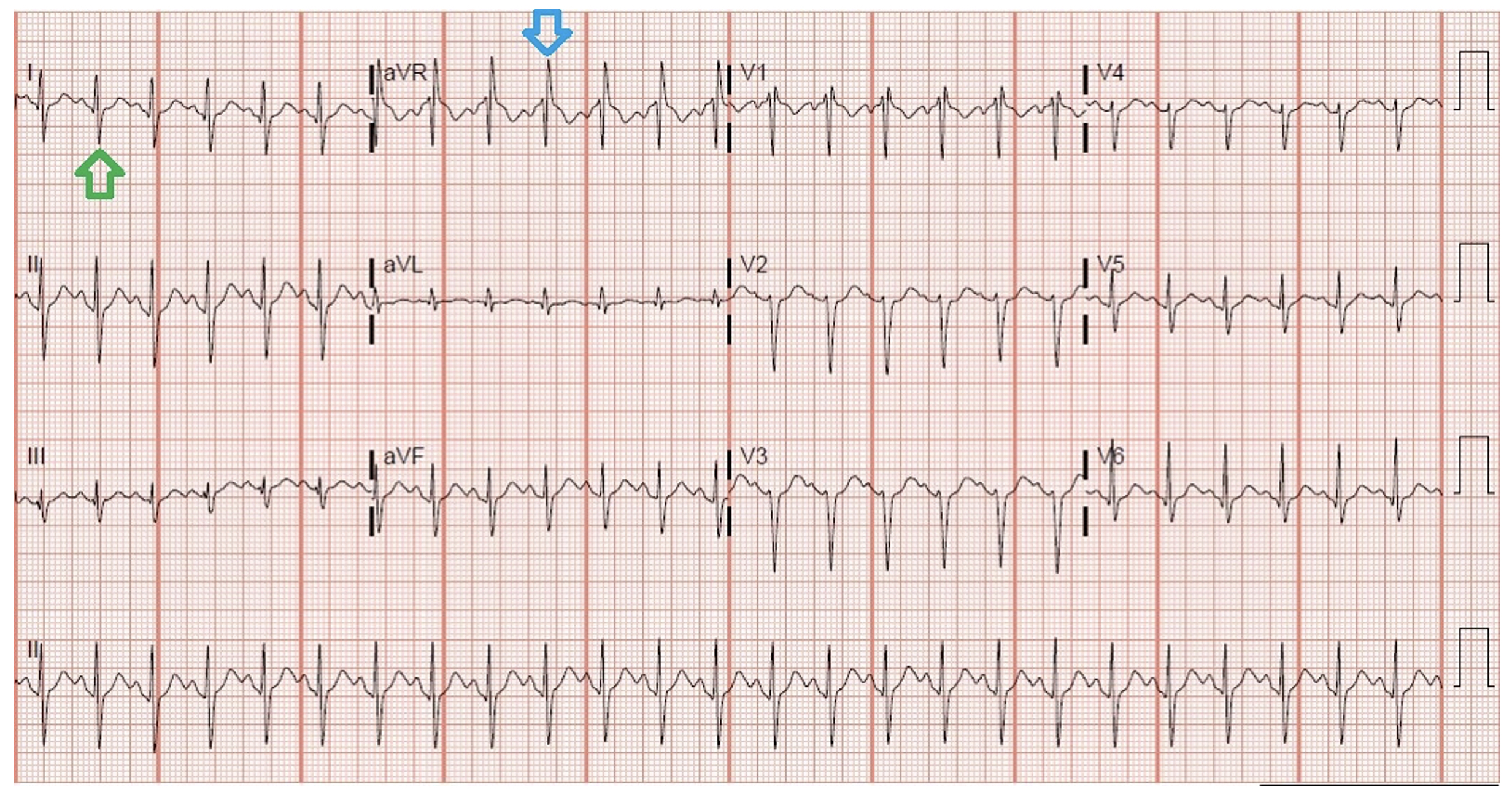
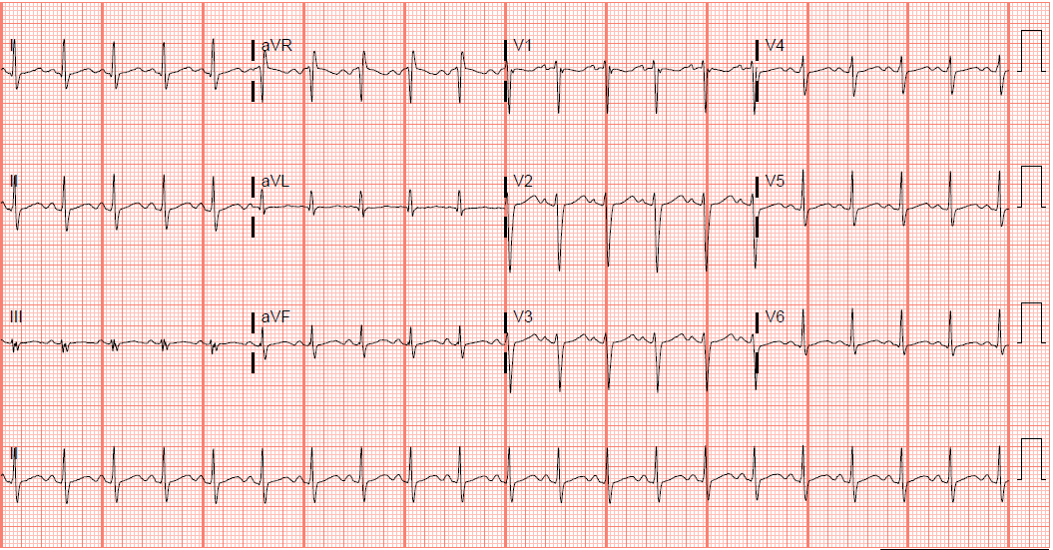
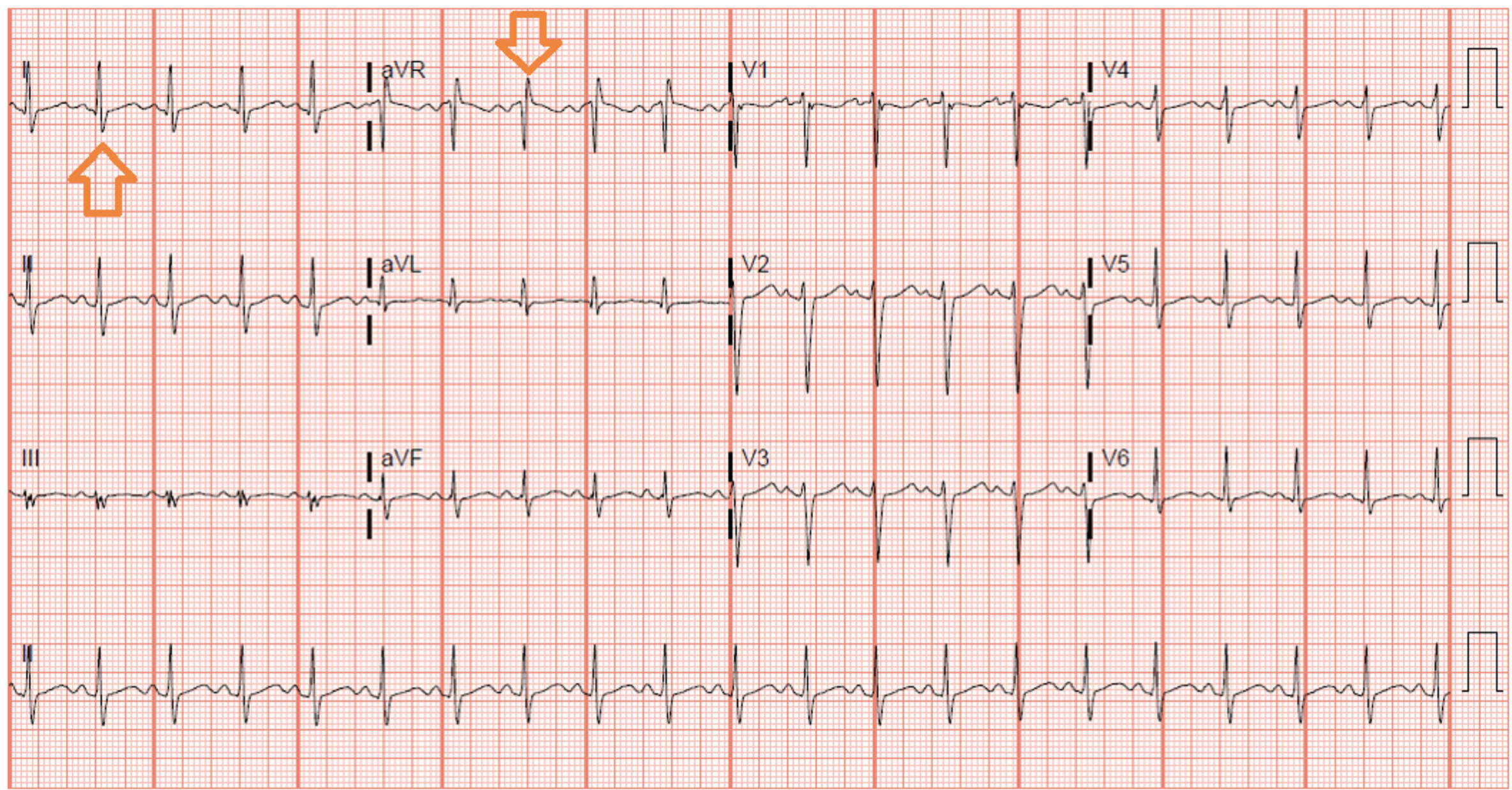
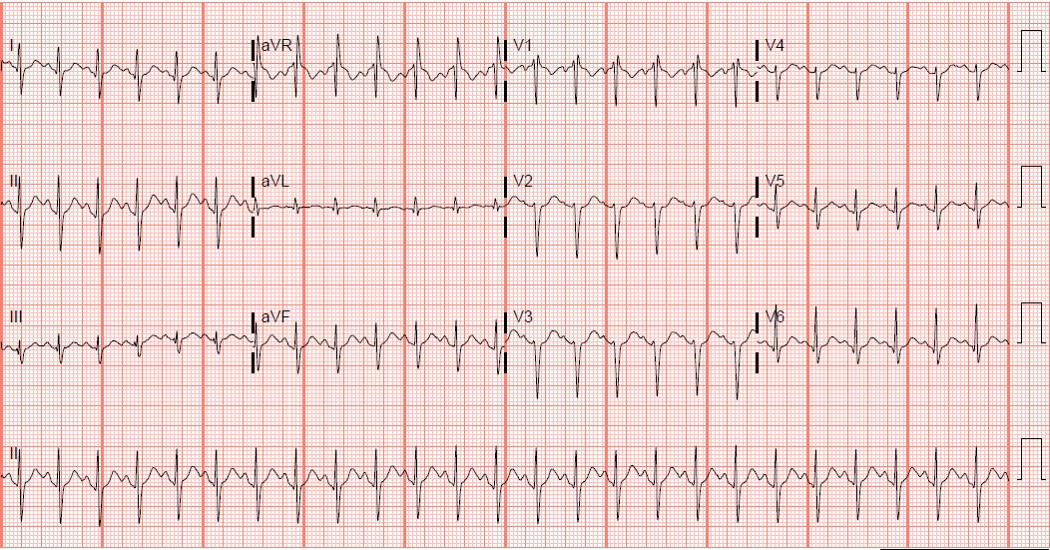
In the United States, tricyclic antidepressants (TCA) are commonly prescribed to treat psychiatric illnesses and neuropathic pain. This class of antidepressants has been found to cause pathognomonic electrocardiogram (ECG) changes in cases of overdose.1 Specifically, TCA’s cause a dominant terminal R wave in aVR and widening of the QRS complex due to their sodium channel blocking effect. Diphenhydramine, better known as Benadryl, is known to disrupt sodium channels in the same manner. In this case report, a 13-year-old female was brought into the emergency department (ED) after attempted suicide by diphenhydramine overdose. The patient presented with palpitations, nausea and confusion. She was agitated, tachycardic and exhibited opsoclonus. An ECG was performed upon the patient’s arrival which showed large terminal R waves in aVR along with large S waves in lead I indicating right axis deviation.  Given the patient’s age and reported ingestion, it was highly suspicious that her symptoms and ECG changes were the result of a sodium channel blockade. Sodium bicarbonate was given, which resulted in notable ECG changes as well as symptomatic improvement. TCA’s, and similarly diphenhydramine, have sodium channel blocking properties which can be revealed by performing an ECG. Administration of sodium bicarbonate in the ED has been shown to be a successful treatment by reversing this sodium channel blockade.

 Topics:

Tricyclic antidepressants, diphenhydramine, overdose, sodium channel blockage, sodium bicarbonate administration.

Icon

Diphenhydramine Ingestion - Manuscript

1 file(s) 1.58 MB
Download
Icon

Diphenhydramine Ingestion - Images

1 file(s) 8.41 MB
Download
ECGIssue 8:1

Reviews:

[mrp_rating_entry_details_list layout="inline" show_rating_items="false"][mrp_rating_form]
Creative Commons images

Epilepsy Caused by Neurocysticercosis: A Case...

16 Jan, 23
Creative Commons images

Aortic Dissection Case Report

16 Jan, 23

JETem is an online, open access, peer-reviewed, journal-repository for EM educators. We are PMC Indexed.

Most Viewed

  • Simulation-Based Preparation for the American Board of Emergency Medicine Certifying Exam: A Comprehensive Curriculum for Residents
  • Difficult Conversation Case: Missed Testicular Cancer
  • Difficult Conversation Case: Death Notification
  • Managing Conflict Case: Admission of a Patient with Decompensated Schizophrenia, Hypertension, and Diabetes
  • Managing Conflict Case: The Difficult Consultant

Visit Our Collaborators


Creative Commons Licence
This work is licensed under a Creative Commons Attribution 4.0 International License.

About

Education

Learners should benefit from active learning. JETem accepts submissions of team-based learning, small group learning, simulation, podcasts, lectures, innovations, curricula, question sets, and visualEM.

Scholarship

We believe educators should advance through the scholarship of their educational work. JETem gives educators the opportunity to publish scholarly academic work so that it may be widely distributed, thereby increasing the significance of their results.

Links

  • Home
  • Aim and Scope
  • Current Issue
  • For Reviewers
  • Instructions for Authors
  • Contact Us

Newsletter

Sign up to receive updates from JETem regarding newly published issues and findings.

Copyright Creative Commons Attribution 4.0 International