
Infectious Flexor Tenosynovitis of the Lower Extremity: A Case Report
Correspondence should be addressed to Andrew King, MD, FACEP at daniela.usuga@utsouthwestern.edu
DOI: https://doi.org/10.5070/M5.52282

ABSTRACT:
Infectious flexor tenosynovitis (IFT) of the lower extremity is rare but serious, requiring early recognition and aggressive management to prevent severe morbidity. Often associated with penetrating trauma or hematogenous spread, IFT can lead to devastating complications if not promptly identified and treated.
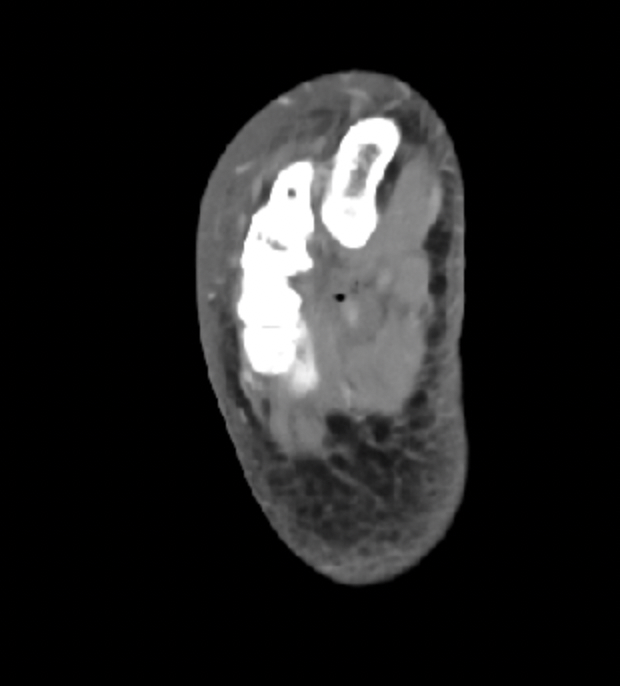
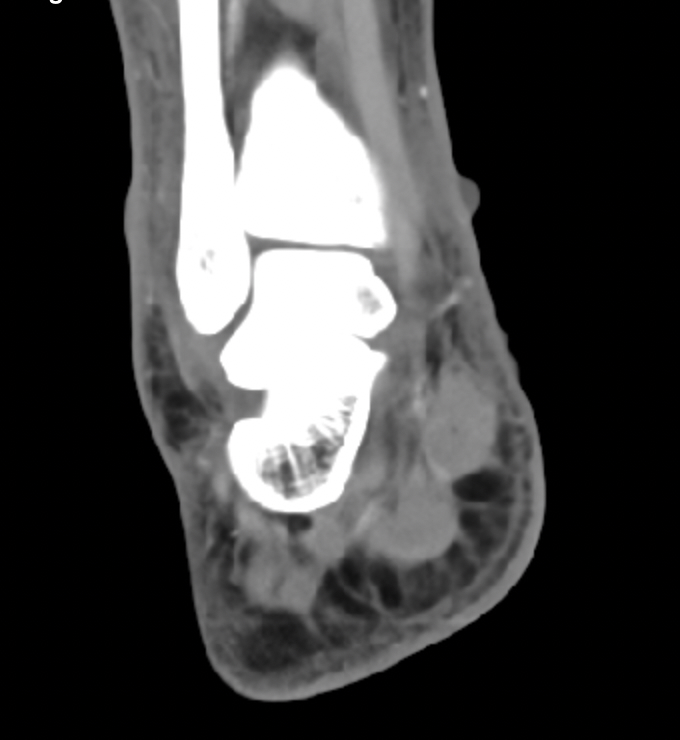
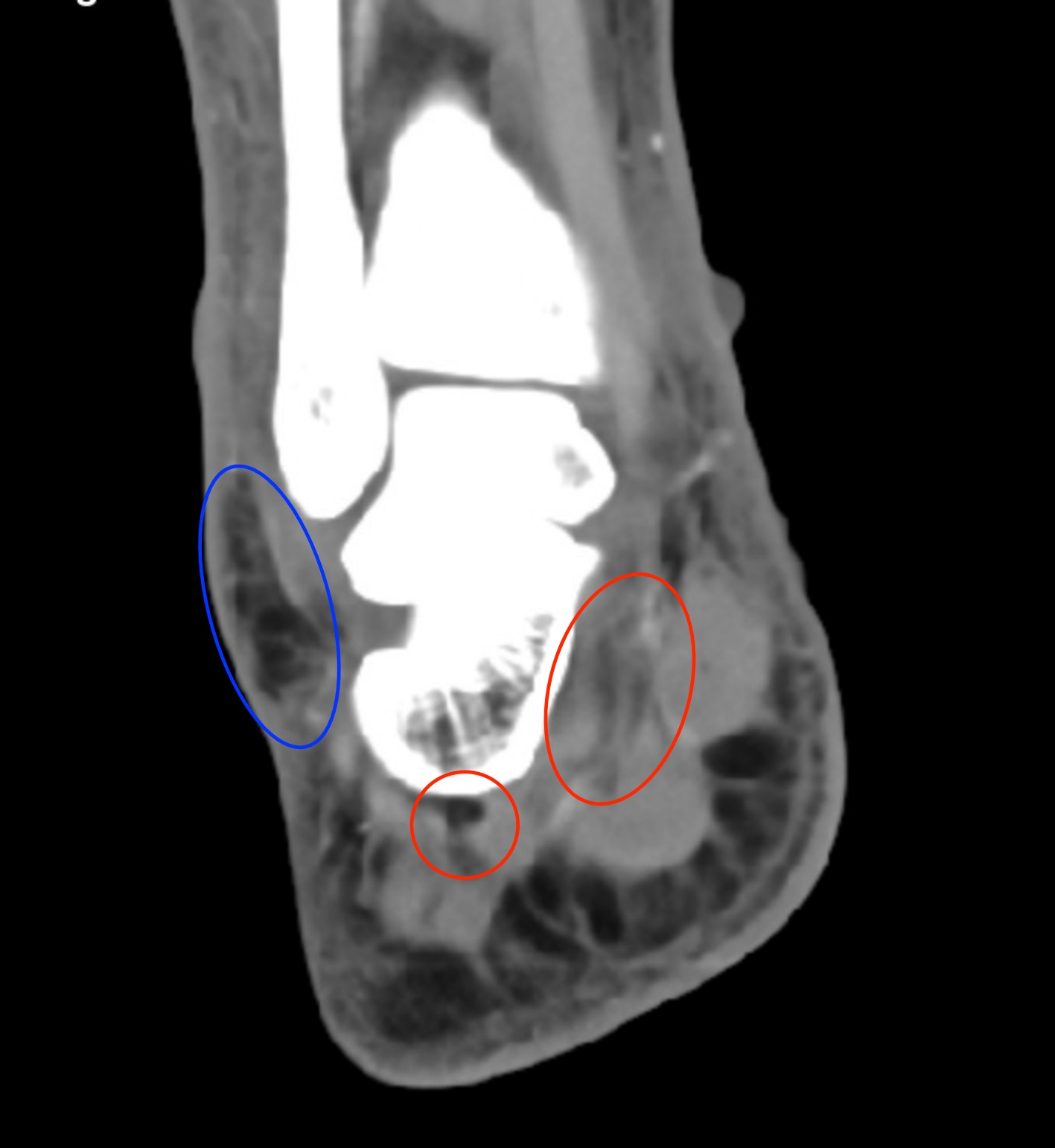
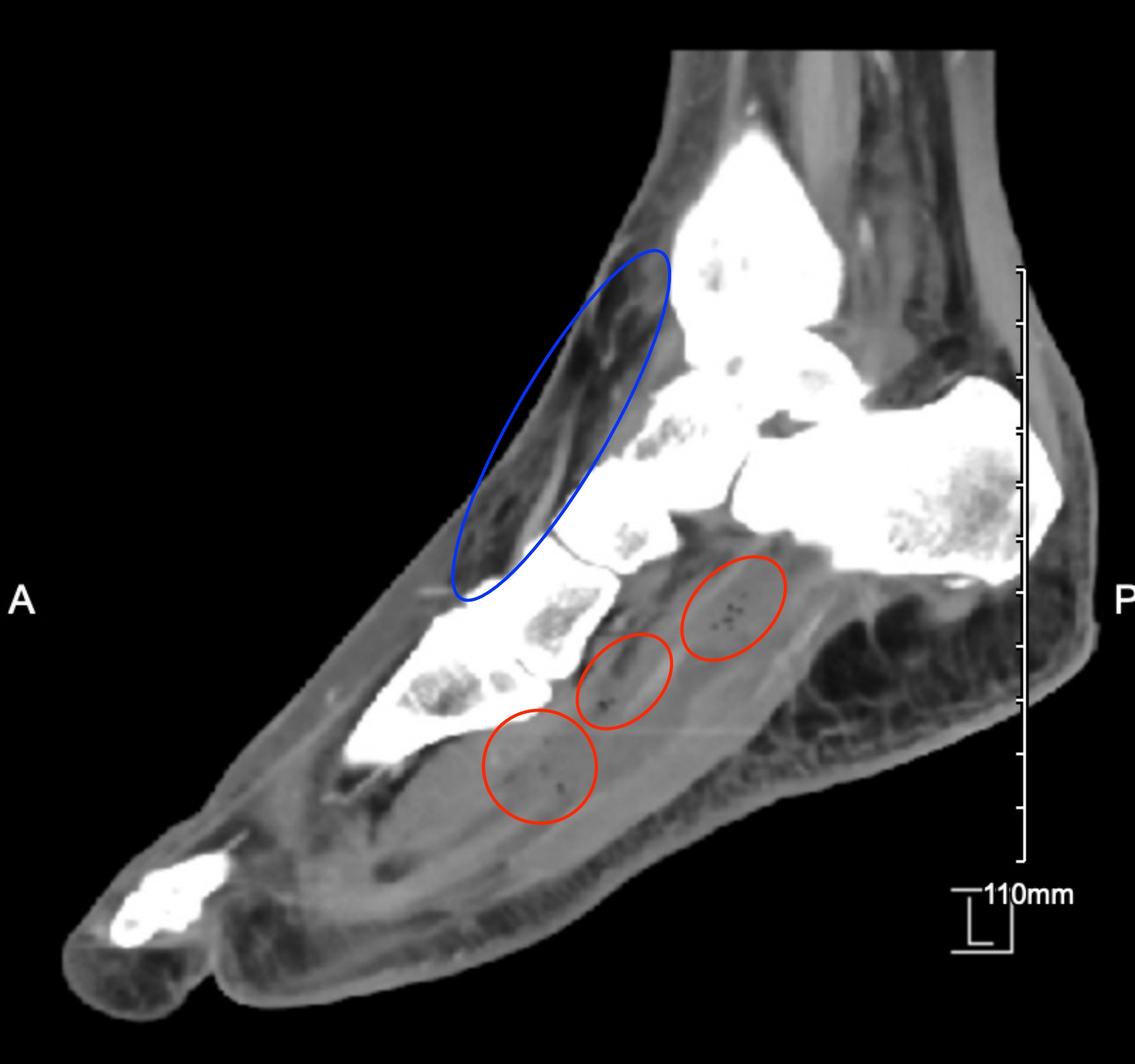
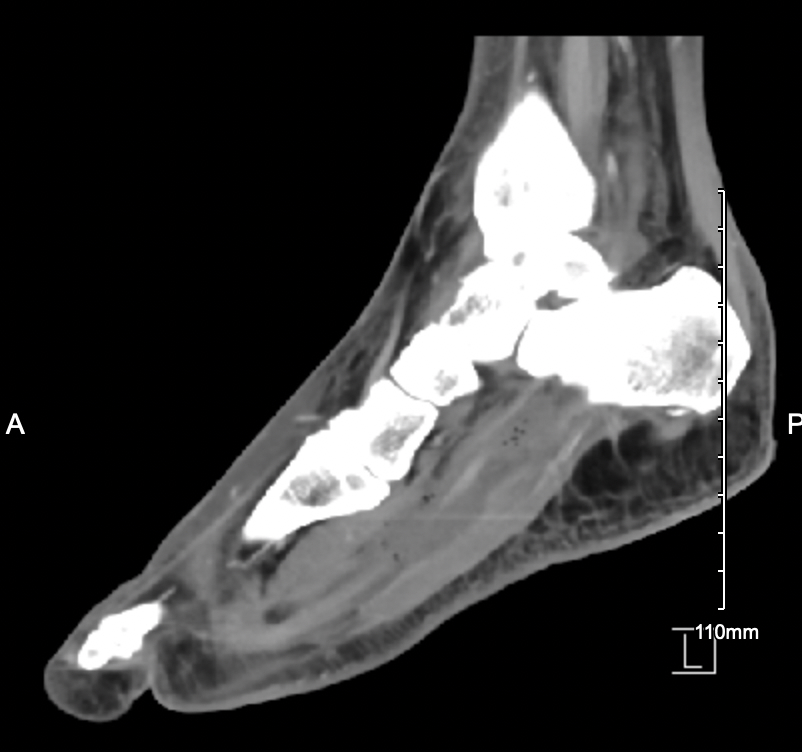
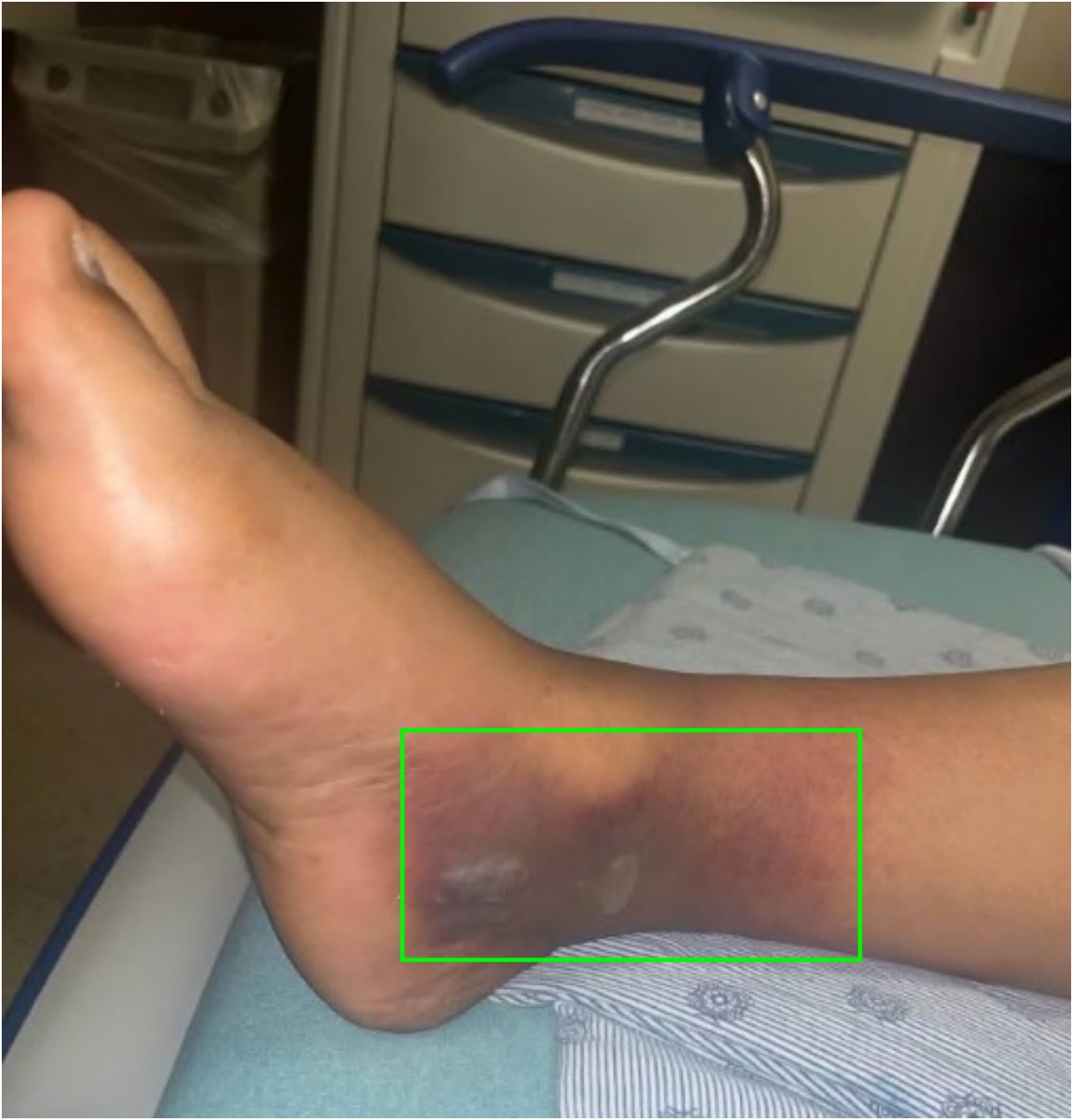
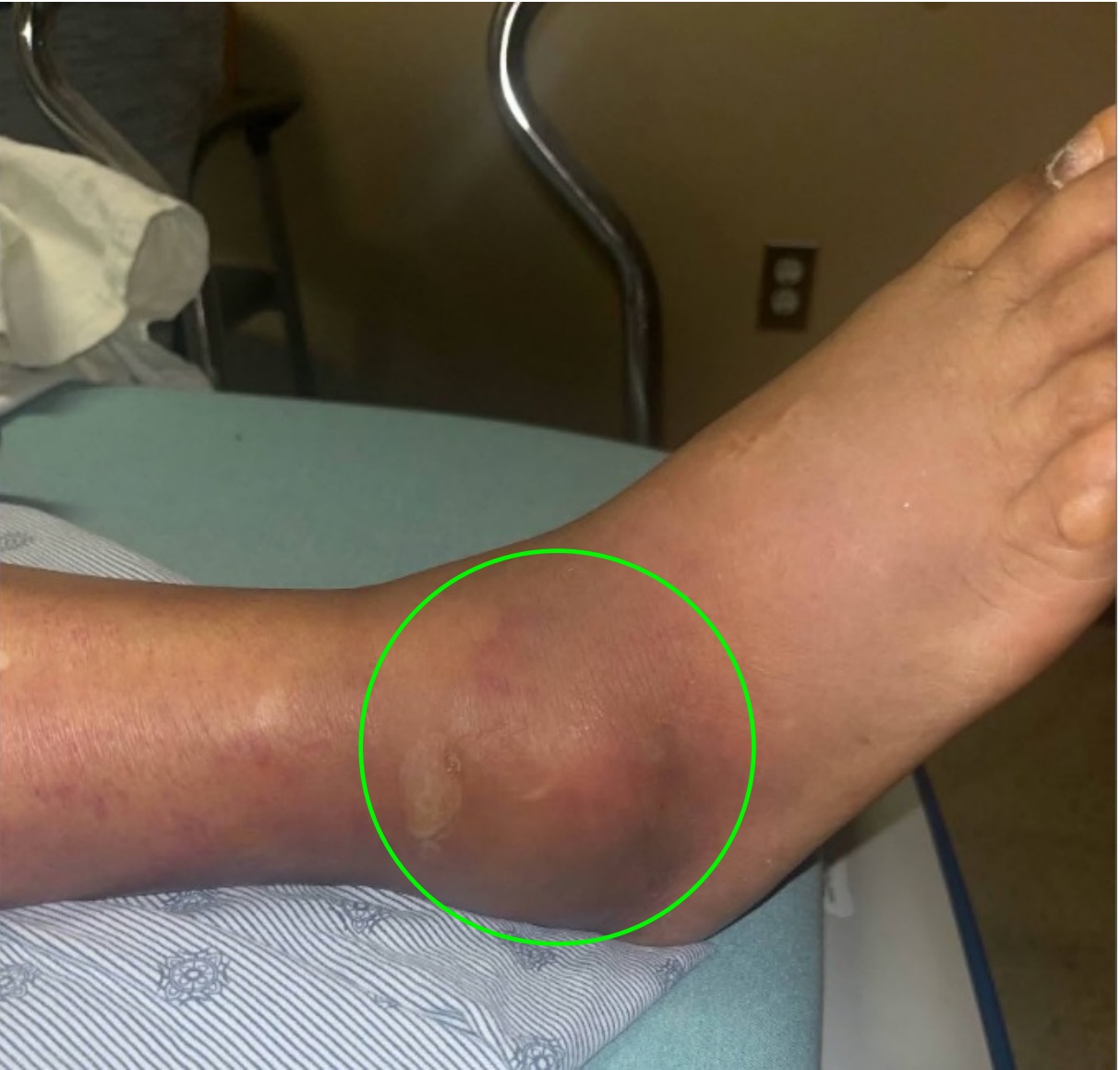
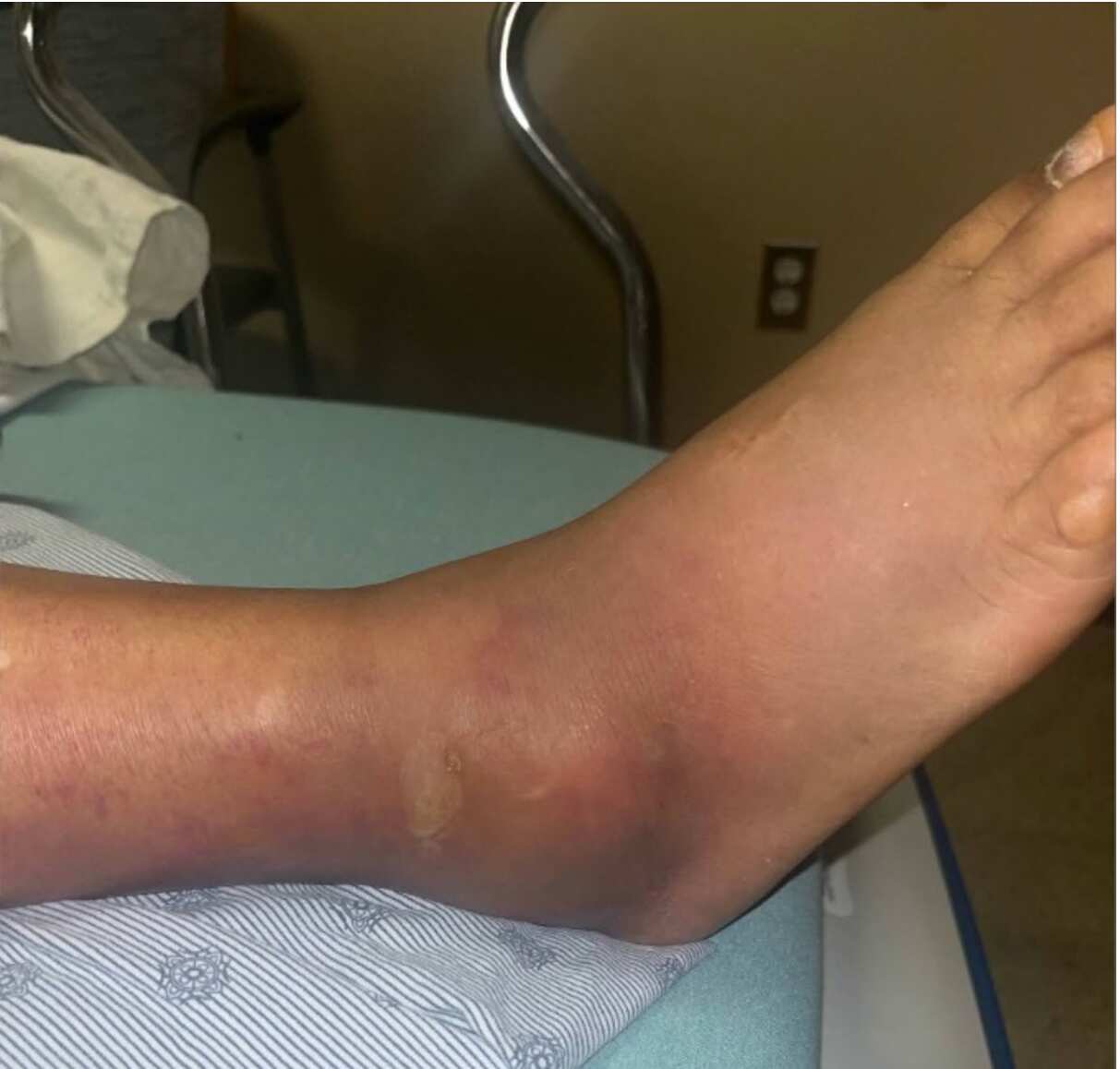
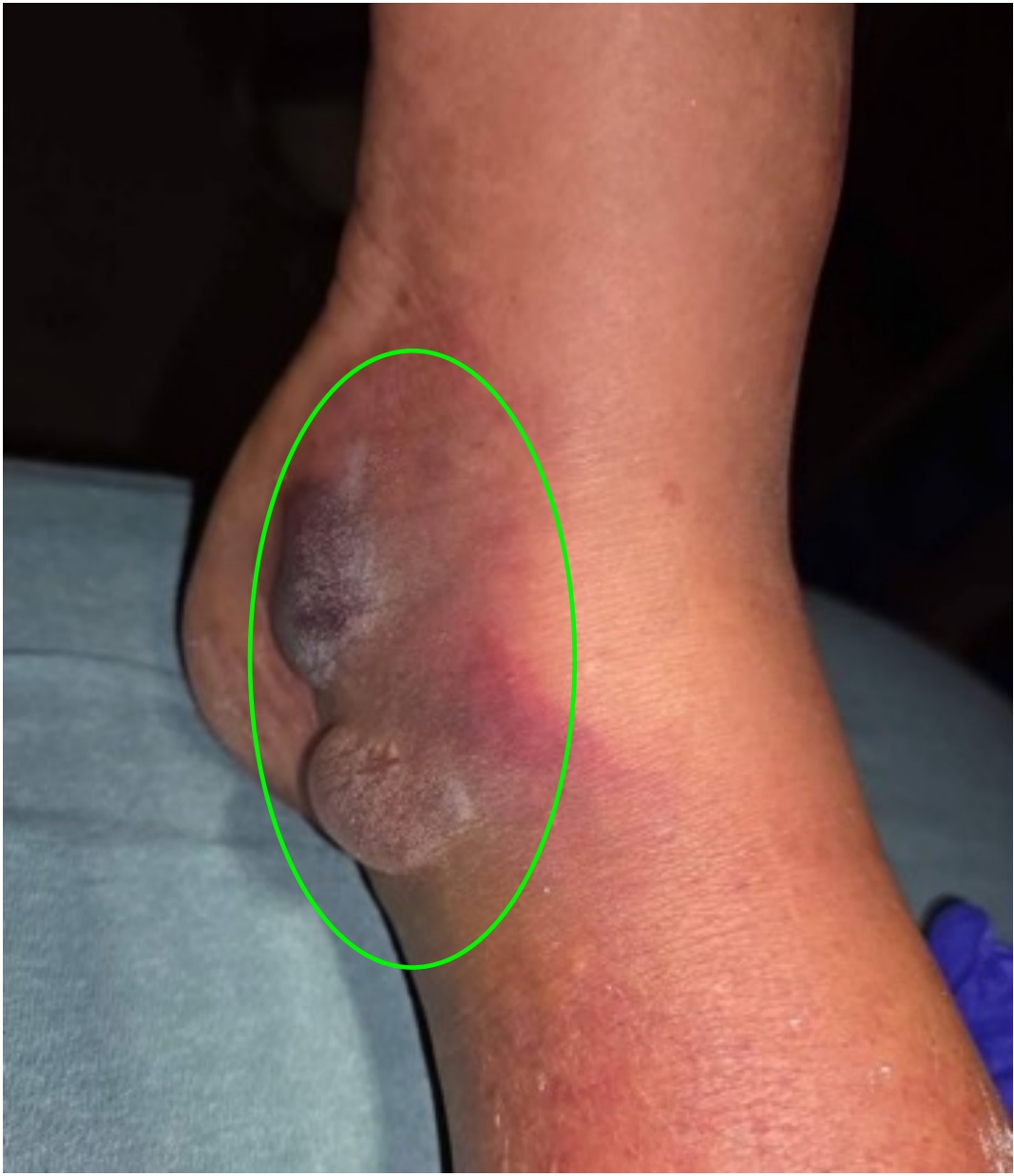
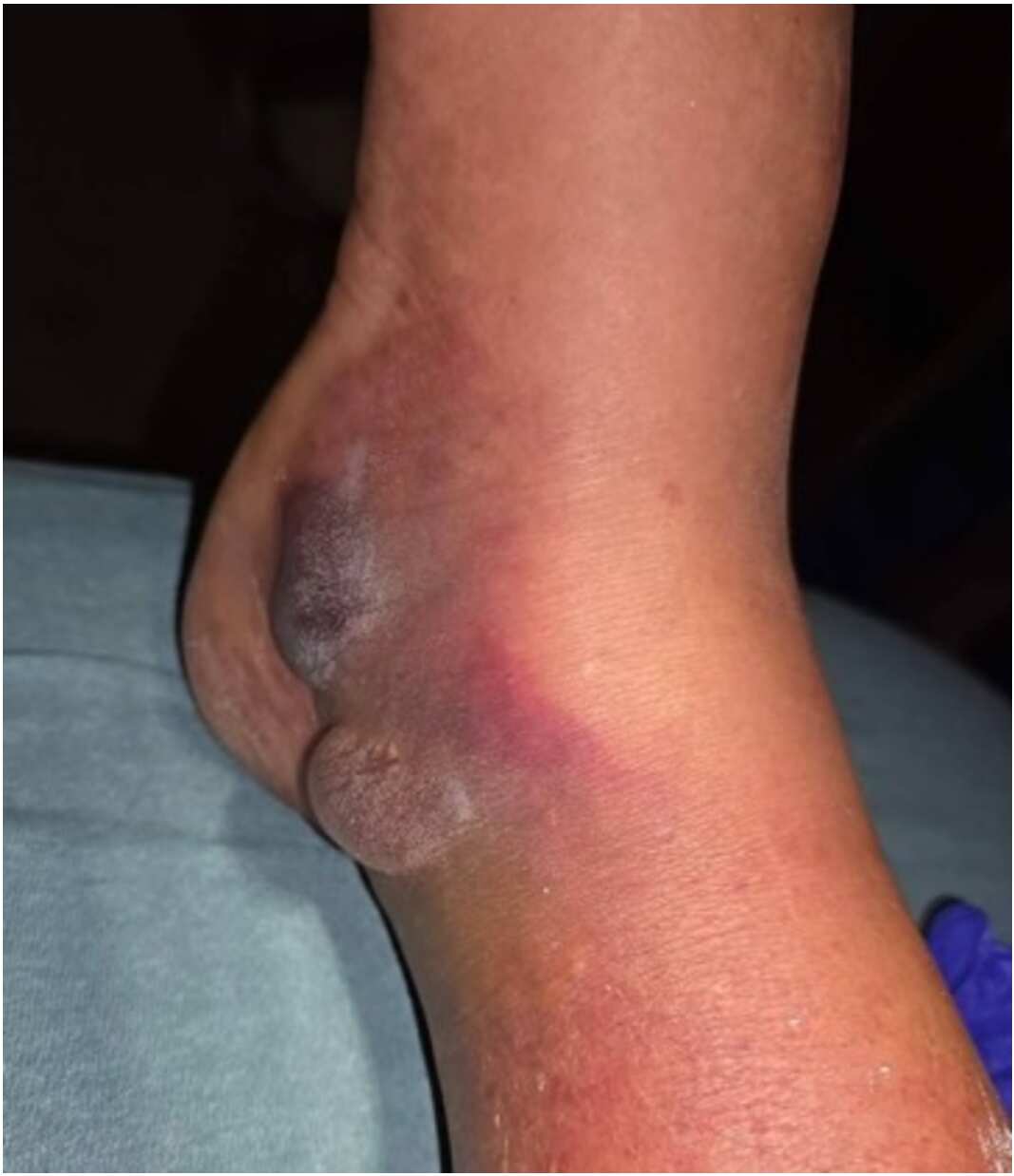
A 57-year-old female with cirrhosis, diabetes mellitus, and hypertension presented to the emergency department with progressive right ankle pain, swelling, and systemic symptoms. Despite prior emergency visits, her condition worsened. Imaging revealed infectious tenosynovitis involving the flexor hallucis longus and flexor digitorum longus tendons, with concerning signs of soft tissue necrosis. She received broad-spectrum antibiotics and underwent emergent surgery, ultimately requiring a below-the-knee amputation due to extensive necrosis. Blood cultures confirmed group B Streptococcus as the pathogen. Her postoperative course was complicated by hepatic encephalopathy and hematochezia, necessitating multidisciplinary care.
This case highlights the importance of early recognition of IFT, particularly in immunocompromised patients, and the role of imaging in diagnosing deep soft tissue infections. Delayed diagnosis can lead to severe outcomes, emphasizing the need for heightened clinical suspicion and timely intervention. Increased awareness and prompt management of IFT are crucial for improving patient outcomes and limb preservation.
Topics: Infectious flexor tenosynovitis, flexor hallucis longus, flexor digitorum longus.