Shockingly Unreliable: A Case Report of Failure of Synchronized Cardioversion Device to Capture, Resulting in Ventricular Fibrillation and Cardiac Arrest
Correspondence should be addressed to Shea Standley, DO at shea.standley@bswhealth.org
DOI: https://doi.org/10.5070/M5.53094
ABSTRACT:
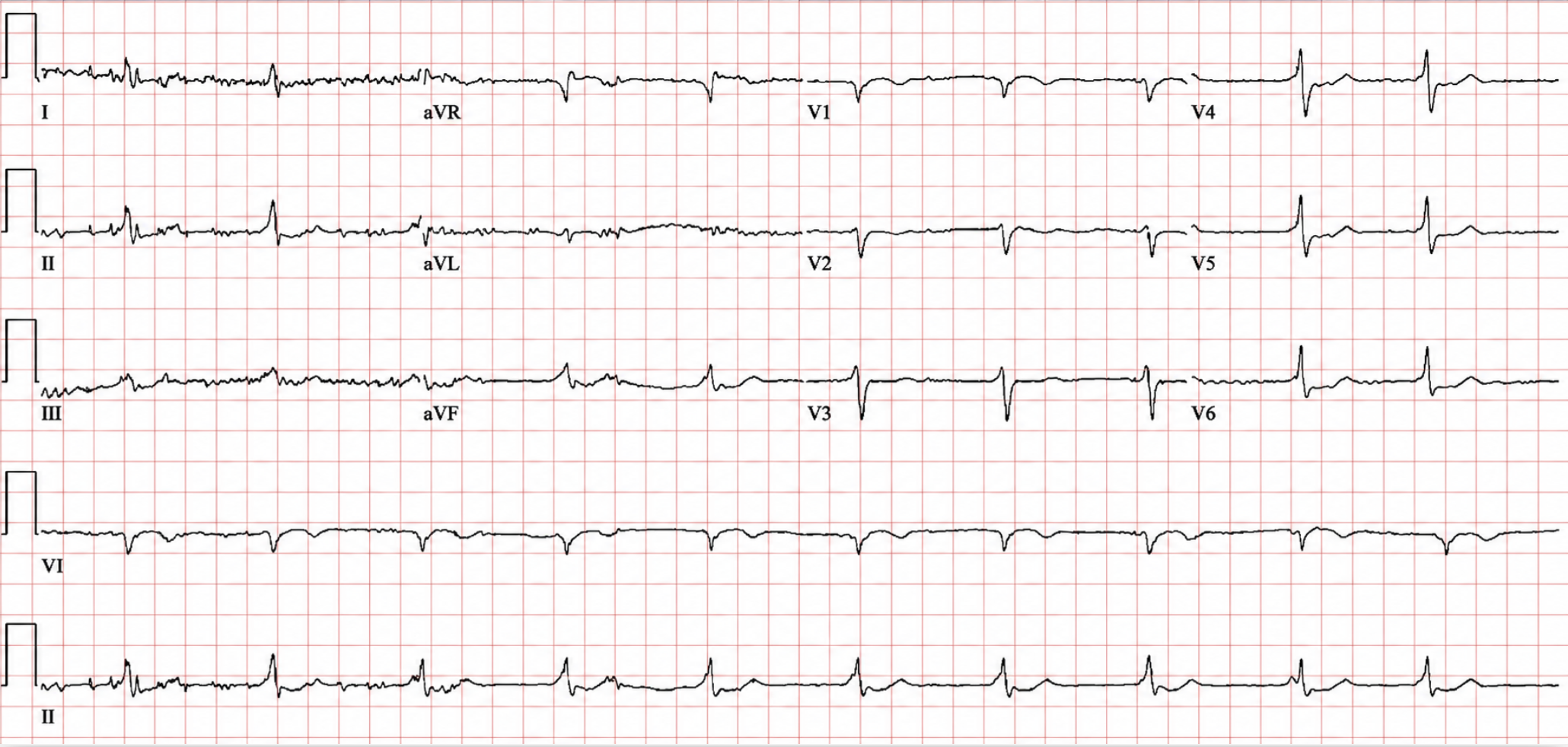
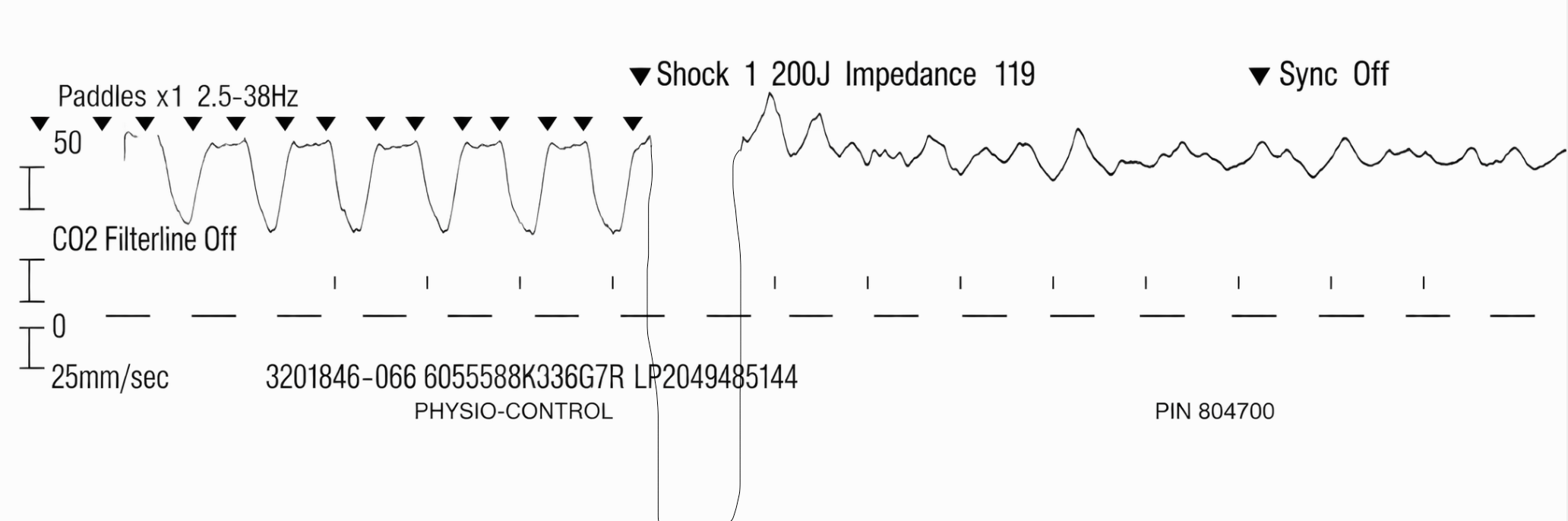
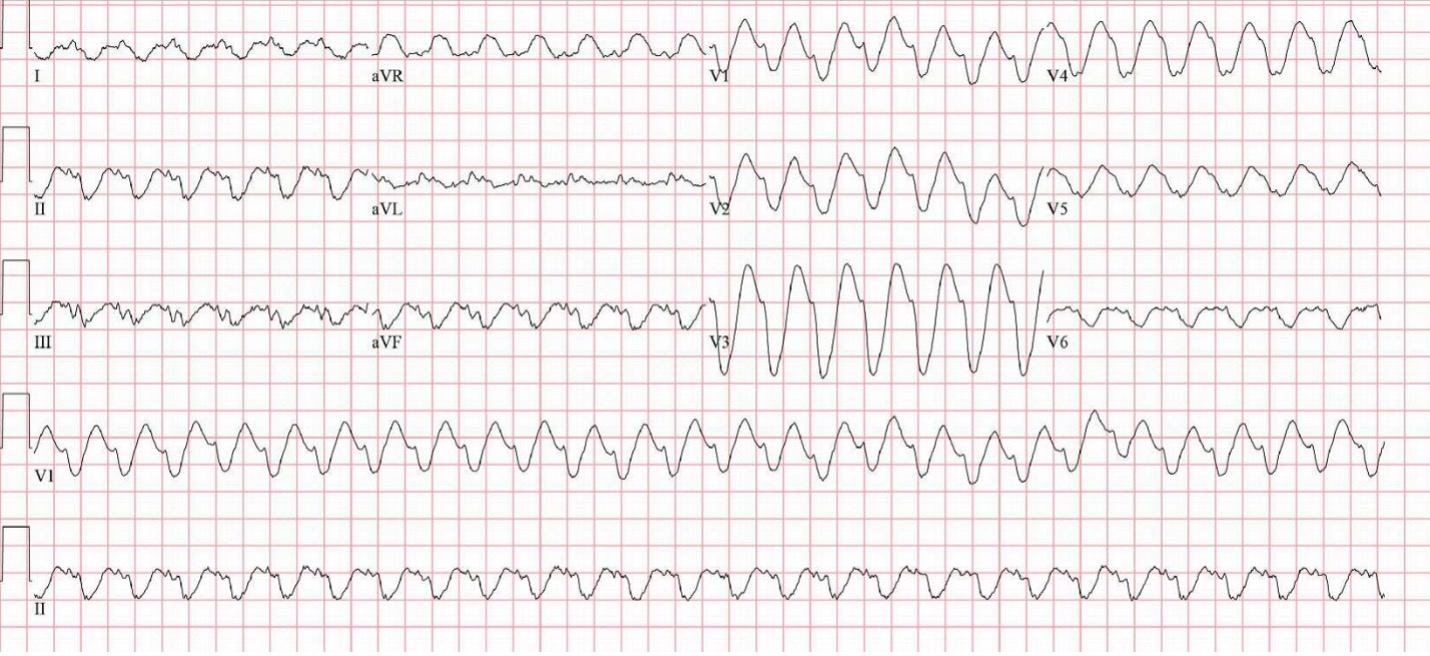
Synchronized cardioversion is a standard treatment for unstable ventricular tachycardia. While modern defibrillators are designed with safety mechanisms, synchronization failure can result in catastrophic complications. We present the case of a 65-year-old woman with unstable wide-complex tachycardia with a pulse who underwent emergent synchronized cardioversion. Despite activation of the “sync” mode, the device failed to capture appropriately and delivered a shock on the T-wave, precipitating ventricular fibrillation and cardiac arrest. After 26 minutes of resuscitation and multiple defibrillations, return of spontaneous circulation (ROSC) was achieved. The patient ultimately recovered and was discharged home in stable condition. This case underscores the rare but serious risk of synchronization failure, particularly in obese patients where pad placement and capture may be impaired,1 and emphasizes the importance of visually confirming synchronization prior to shock delivery.
Topics: Cardioversion, ventricular fibrillation, defibrillator malfunction, ACLS, emergency medicine.