JETem
  • Home
  • About
    • Aim and Scope
    • Our Team
    • Editorial Board
    • FAQ
  • Issues
    • Current Issue
    • Ahead of Print
    • Past Issues
  • Visual EM
    • Latest Visual EM
    • Search Visual EM
    • Thumbnail Library
  • For Authors
    • Instructions for Authors
    • Submit to JETem
    • Photo Consent
    • Policies
      • Peer Review Policy
      • Copyright Policy
      • Editorial Policy, Ethics and Responsibilities
      • Conflicts of Interest & Informed Consent
      • Open Access Policy
      • Acceptance Fee
  • For Reviewers
    • Instructions for JETem Reviewers
    • Interested in Being a JETem Reviewer?
  • Topic
    • Abdominal/Gastroenterology
    • Administration
    • Board Review
    • Cardiology/Vascular
    • Certifying Exam Cases
      • Clinical Decision-Making
      • Prioritization
      • Communication
      • Procedure & Ultrasound
    • Clinical Informatics, Telehealth and Technology
    • Dermatology
    • EMS
    • Endocrine
    • ENT
    • Faculty Development
    • Genitourinary
    • Geriatrics
    • Hematology/Oncology
    • Infectious Disease
    • Miscellaneous (stats, etc)
    • Neurology
    • Ob/Gyn
    • Ophthalmology
    • Orthopedics
    • Pediatrics
    • Pharmacology
    • Procedures
    • Psychiatry
    • Renal/Electrolytes/Nutrition
    • Respiratory
    • Social Determinants of Health
    • Toxicology
    • Trauma
    • Ultrasound
    • Urology
    • Wellness
    • Wilderness
  • Modality
    • Certifying Exam Practice Cases
      • Clinical Care Cases
      • Communication & Procedural Cases
      • Old School Oral Board Cases
    • Curricula
    • Innovations
    • Lectures
    • Podcasts
    • Simulation
    • Small Group Learning
    • Team Based Learning (TBL)
    • Visual EM
  • Contact Us

Acute Neurologic Decline in the ED: A Case Report on Recognizing ARIA in the Age of Anti-Amyloid Therapy

Christopher Blanton, MD*, Joel Hines, MD*, Joshua Ginsburg, MD* and Samuel Parnell, MD*

*UT Southwestern, Department of Emergency Medicine, Dallas, TX

Correspondence should be addressed to Christopher Blanton, MD at Christopher.Blanton@utsouthwestern.edu

DOI: https://doi.org/10.5070/M5.61894Issue 11:4
Current Issue
[mrp_rating_result]
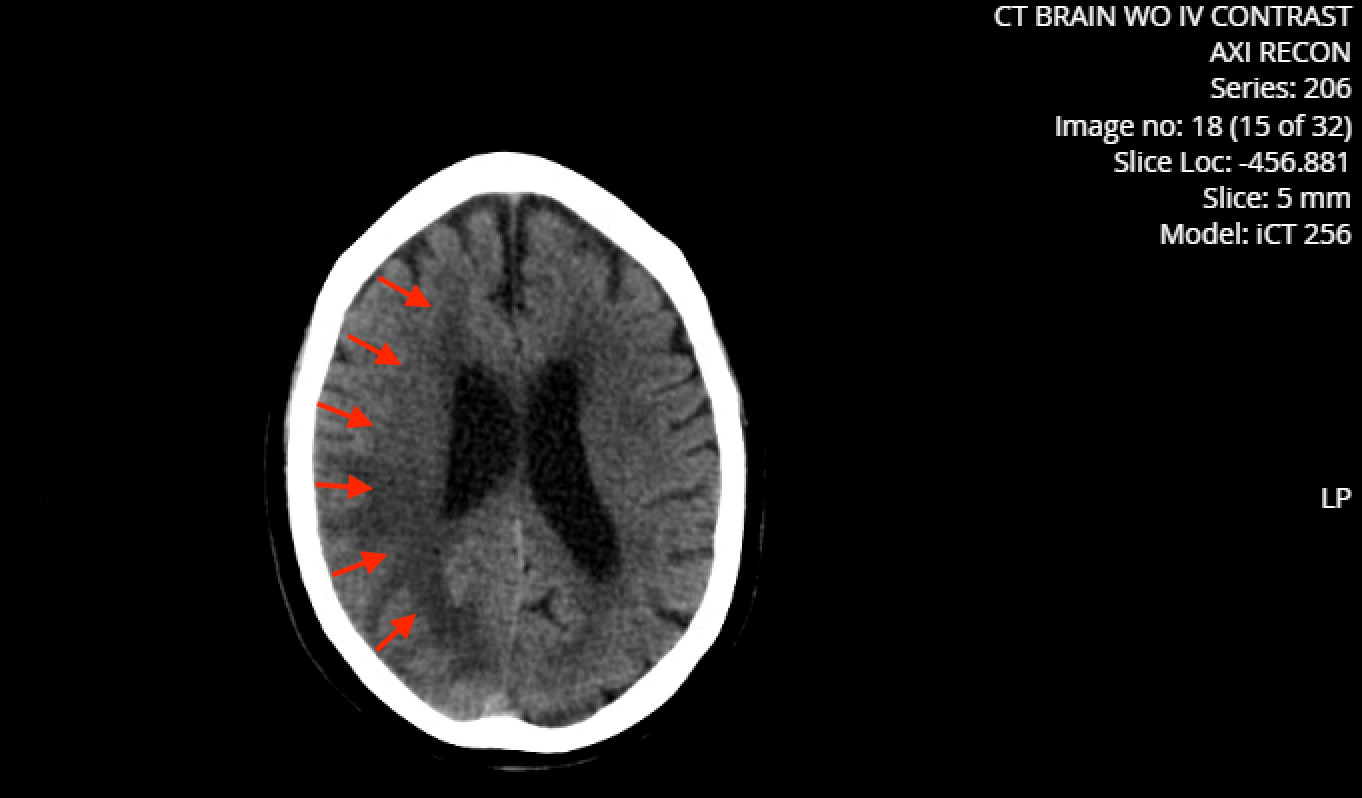
ARIA. CT Axial Annotated. JETem 2026
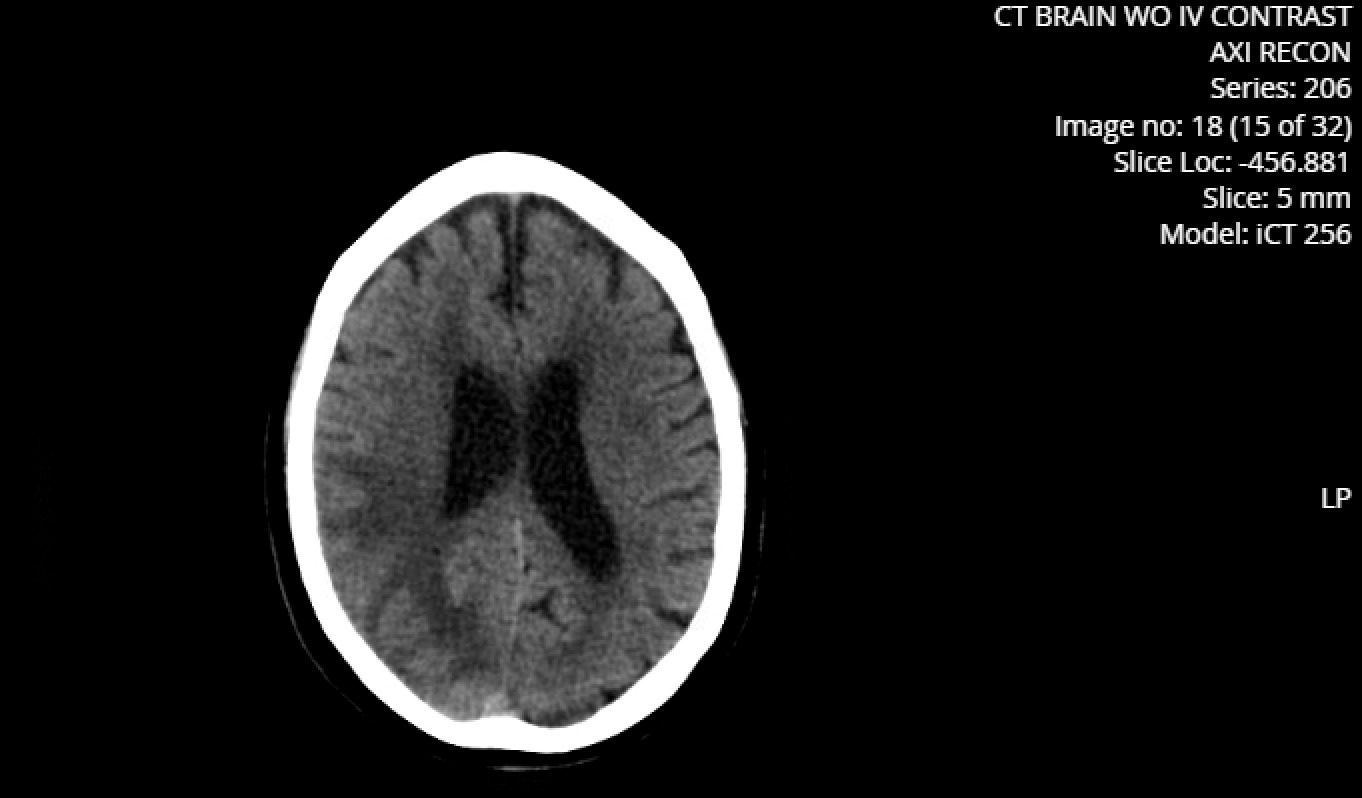
ARIA. CT Axial. JETem 2026
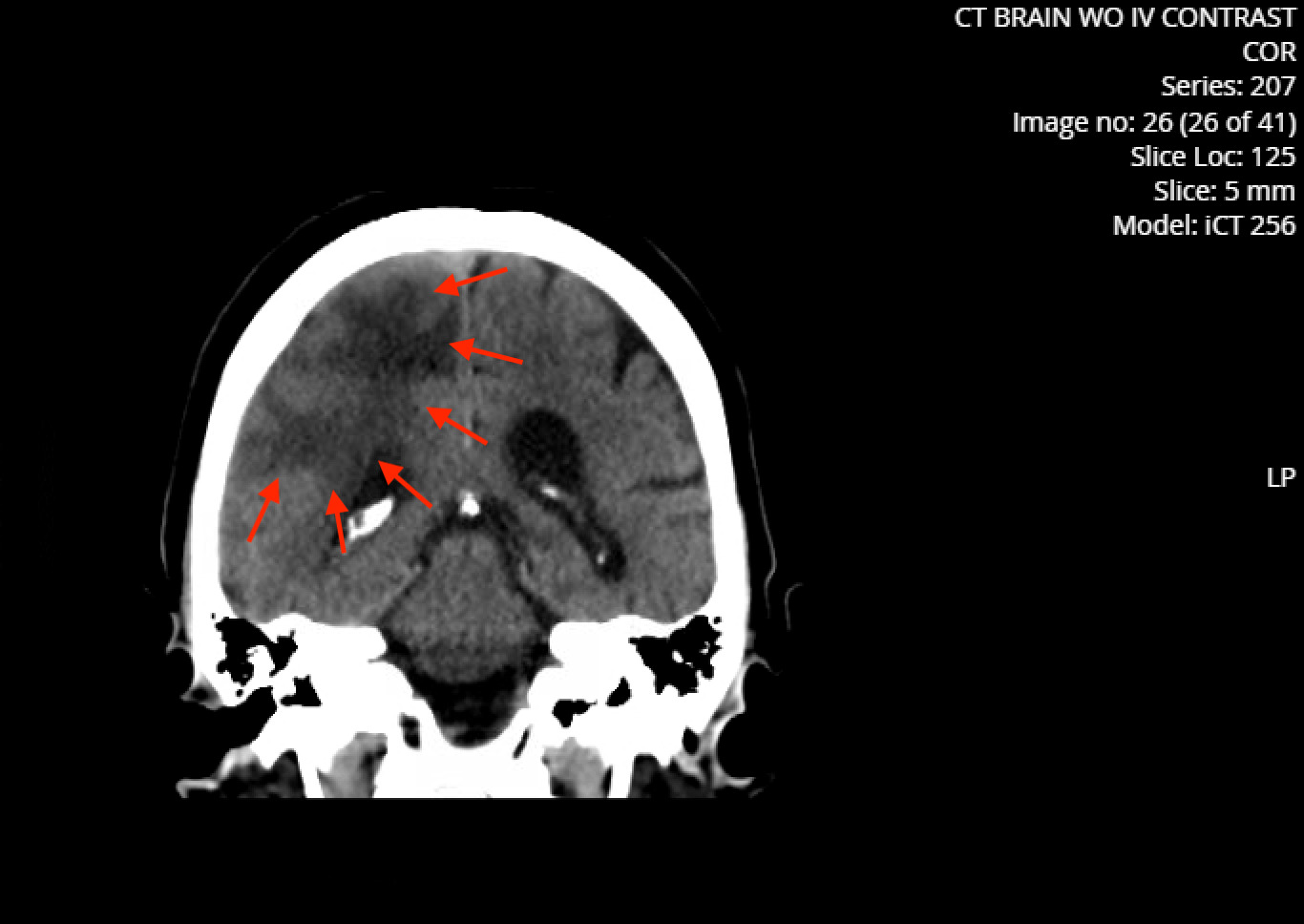
ARIA. CT Coronal Annotated. JETem 2026
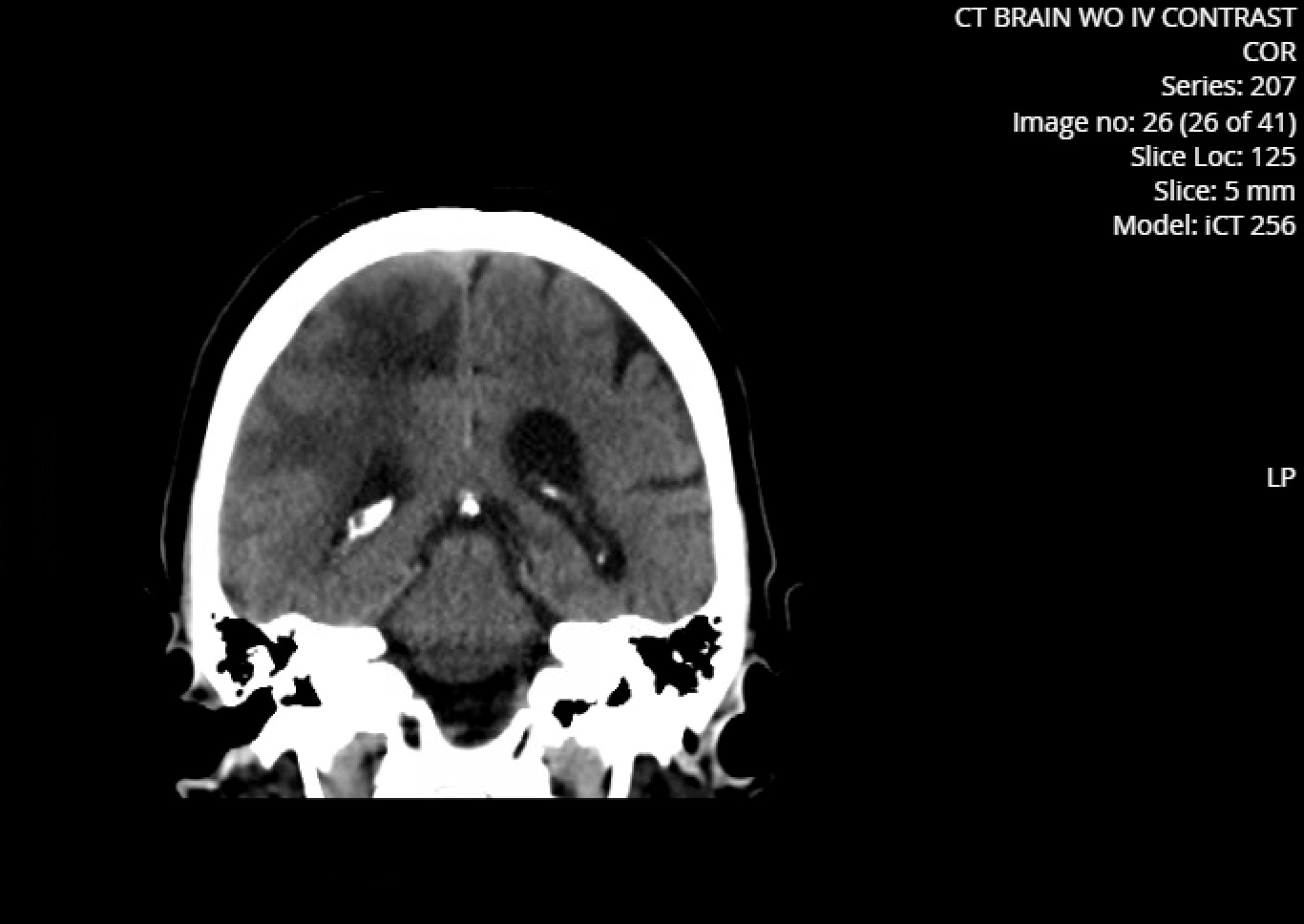
ARIA. CT Coronal. JETem 2026
ARIA. MRI Axial Annotated. JETem 2026
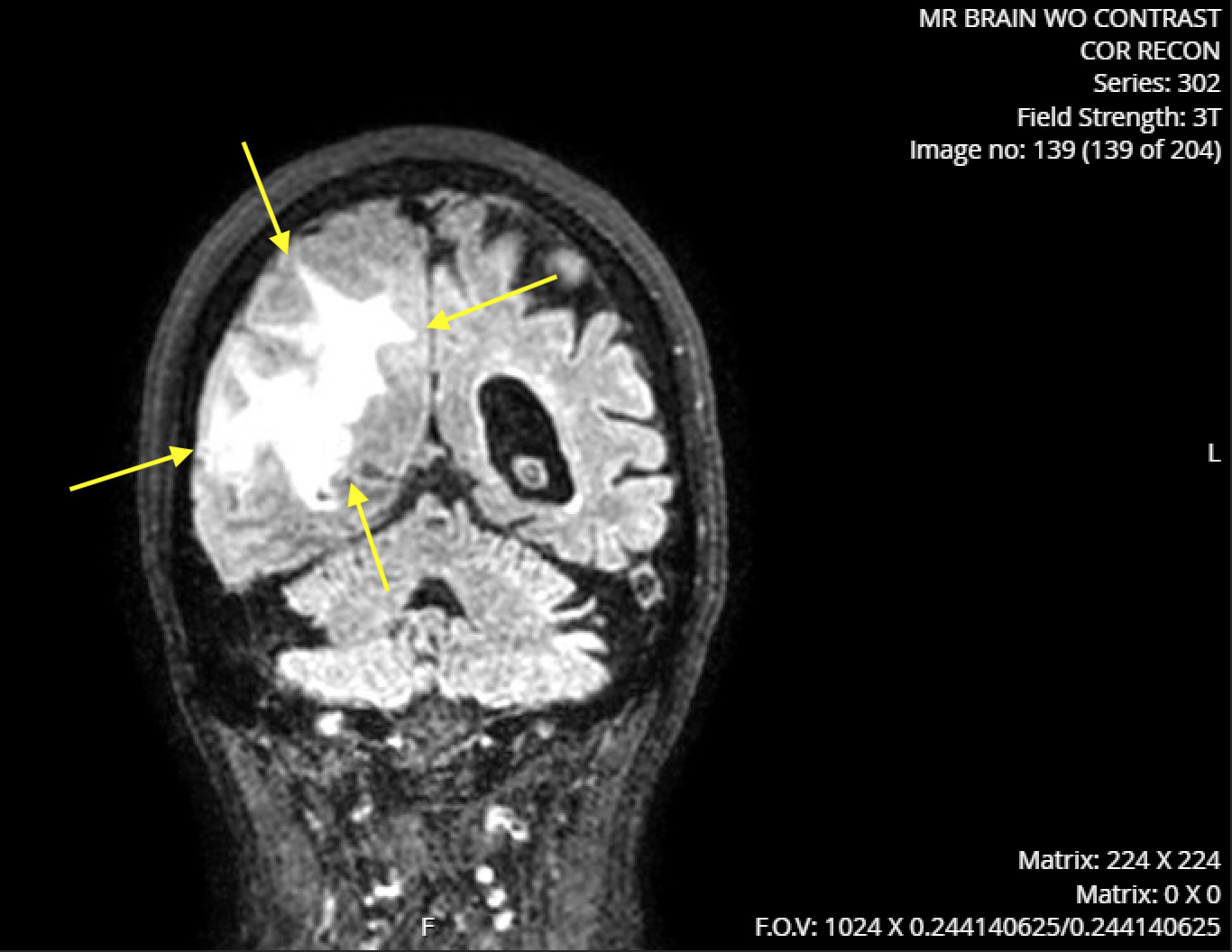
ARIA. MRI Coronal Annotated. JETem 2026
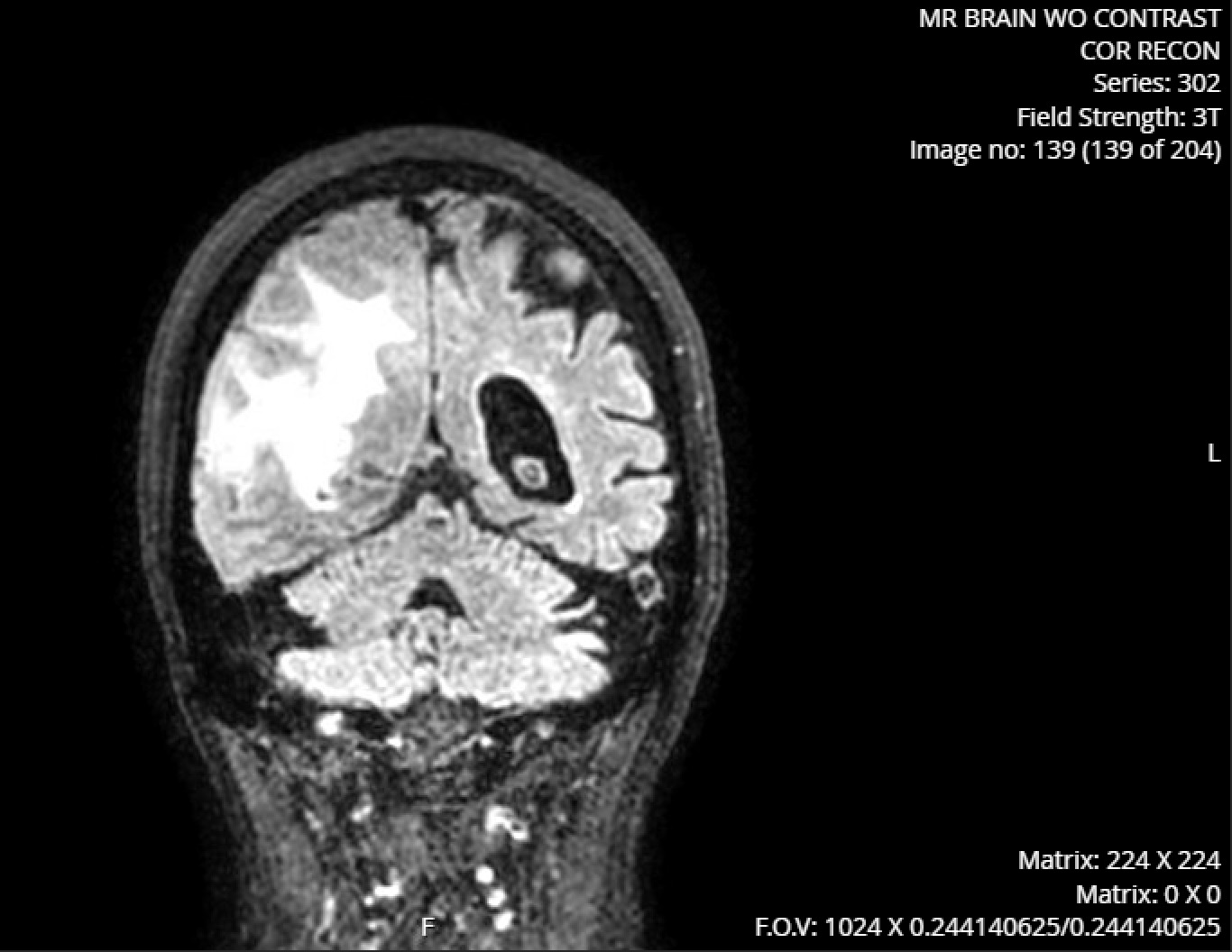
ARIA. MRI Coronal. JETem 2026
ARIA. MRI Axial. JETem 2026
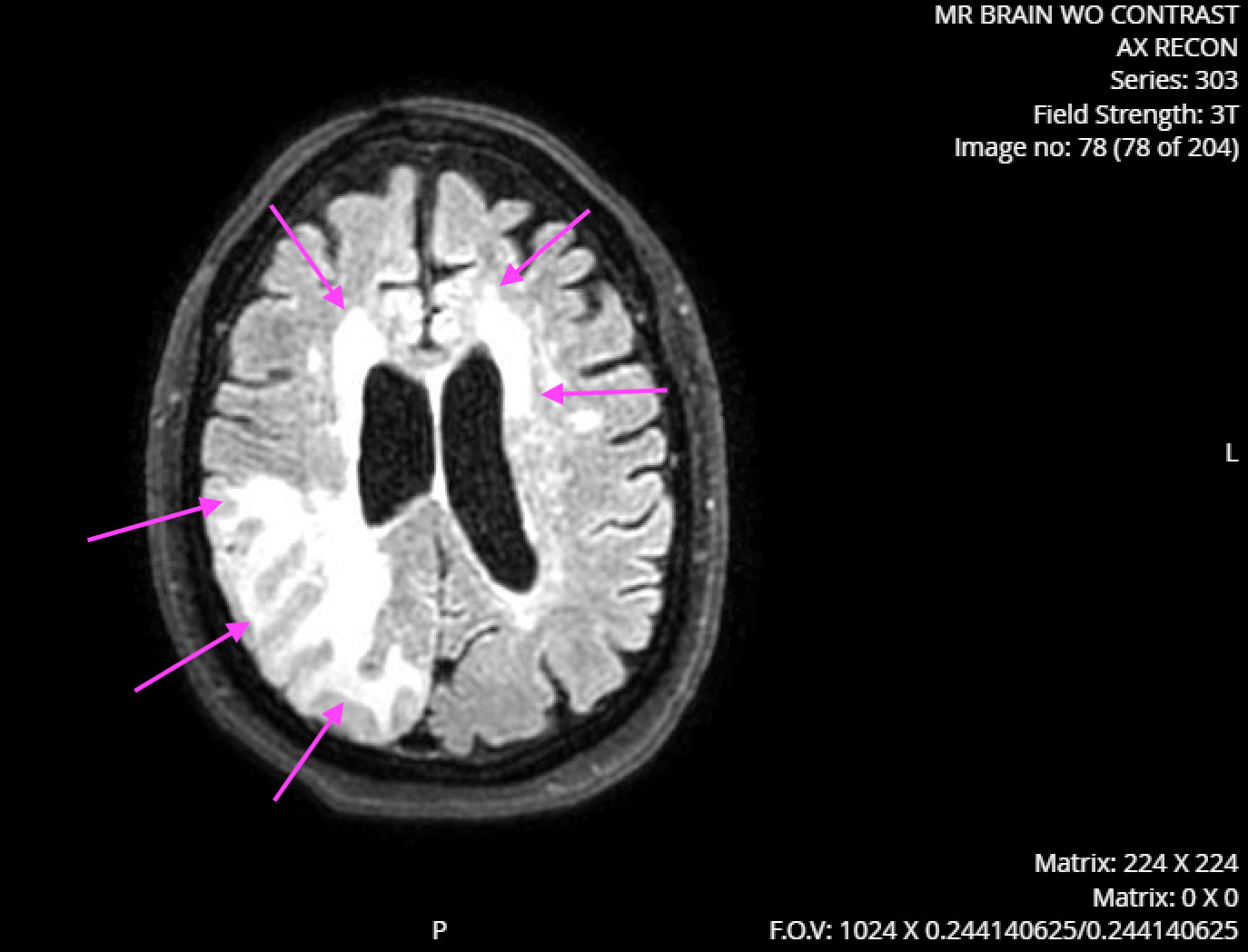
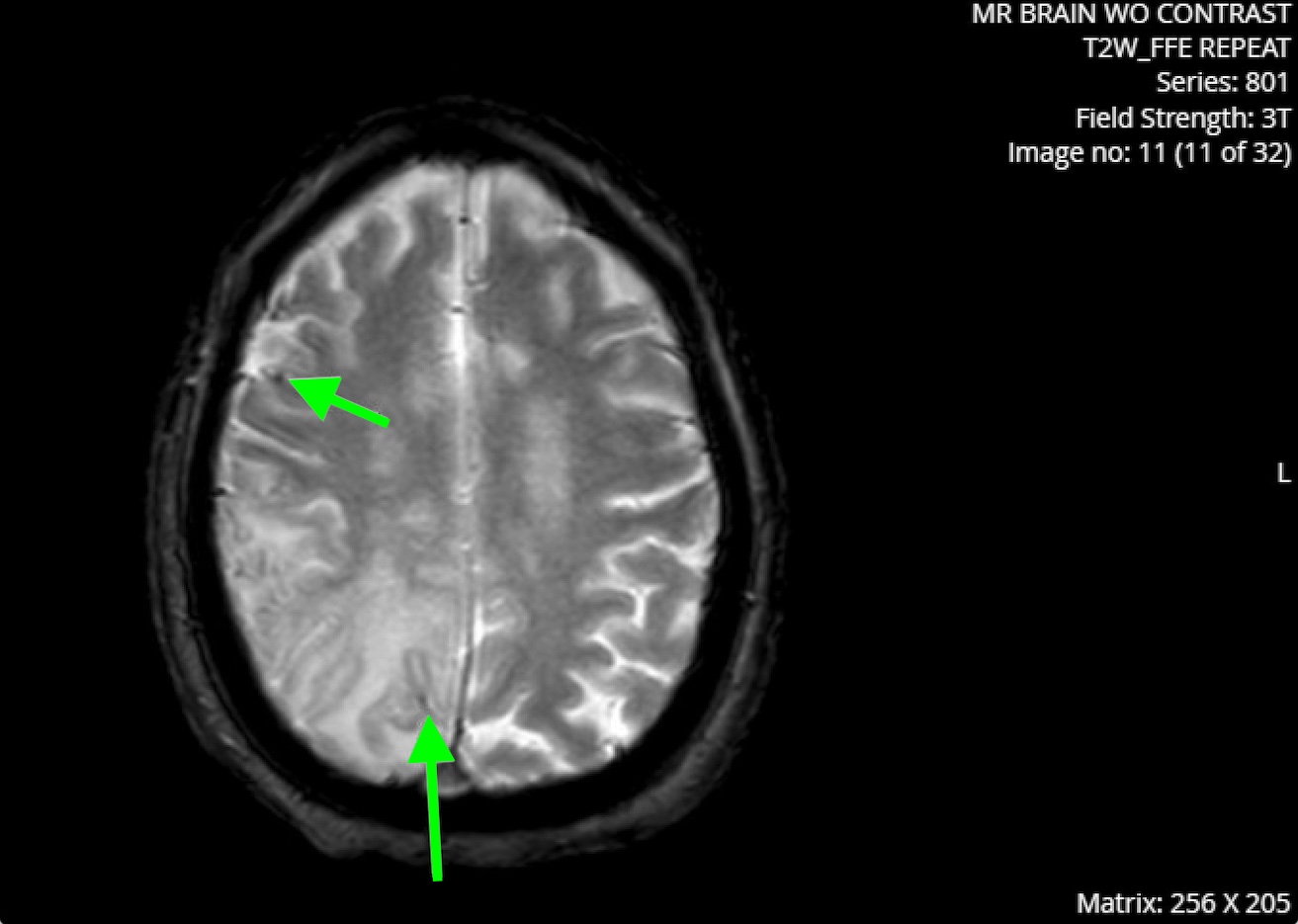
ARIA. T2 Flair Axial 1 Annotated
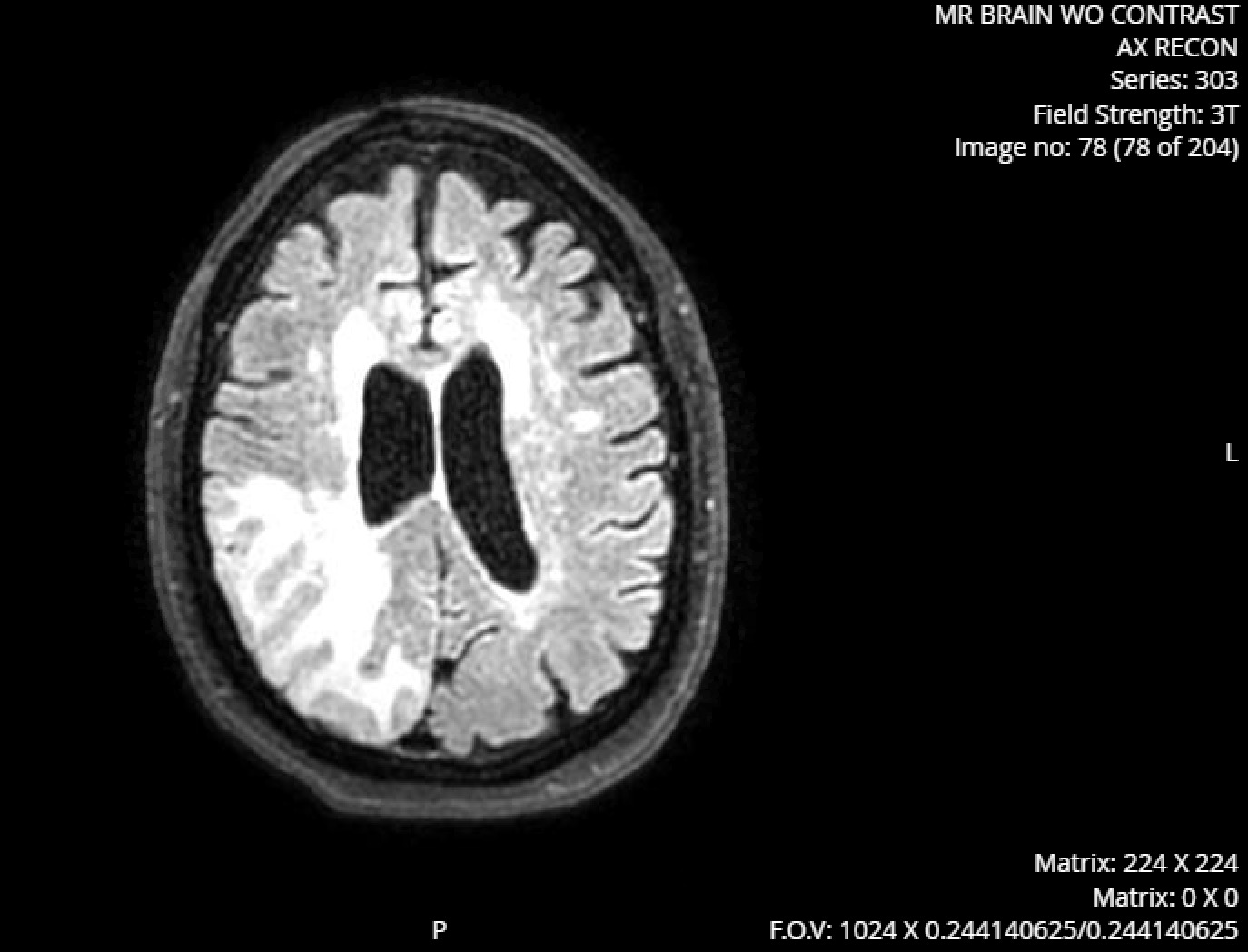
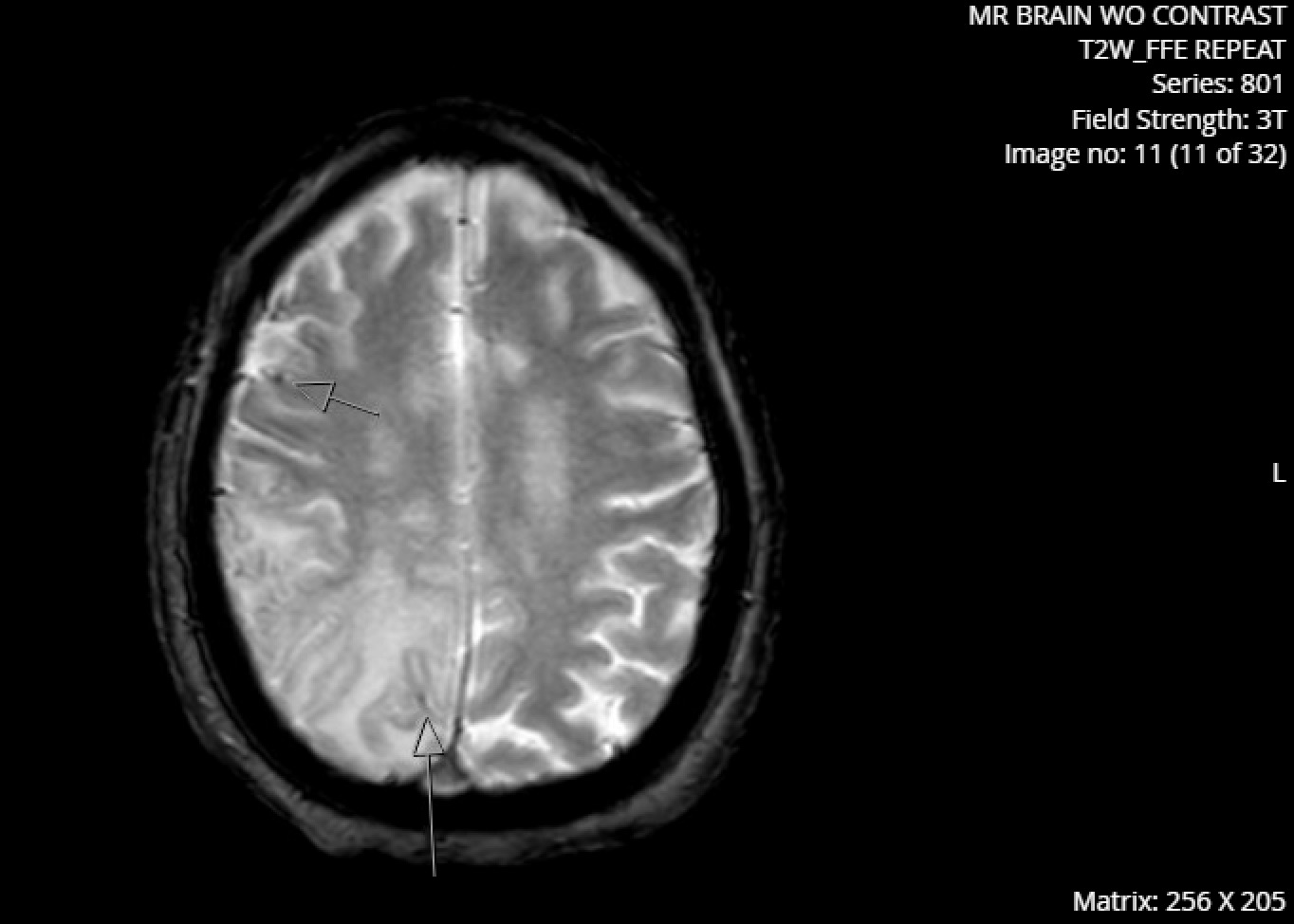
ARIA. T2 Flair Axial 1
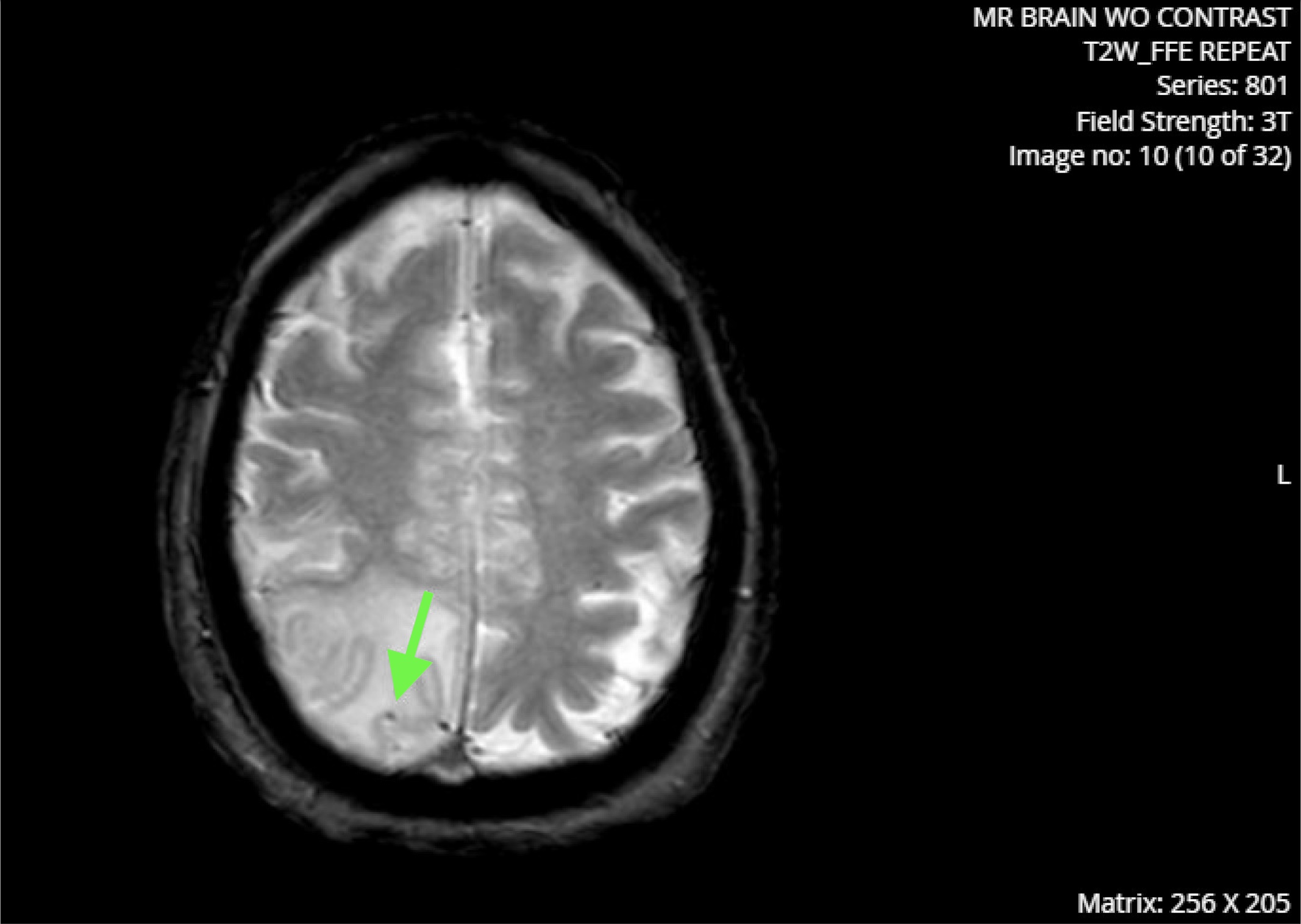
ARIA. T2 Flair Axial 2 Annotated
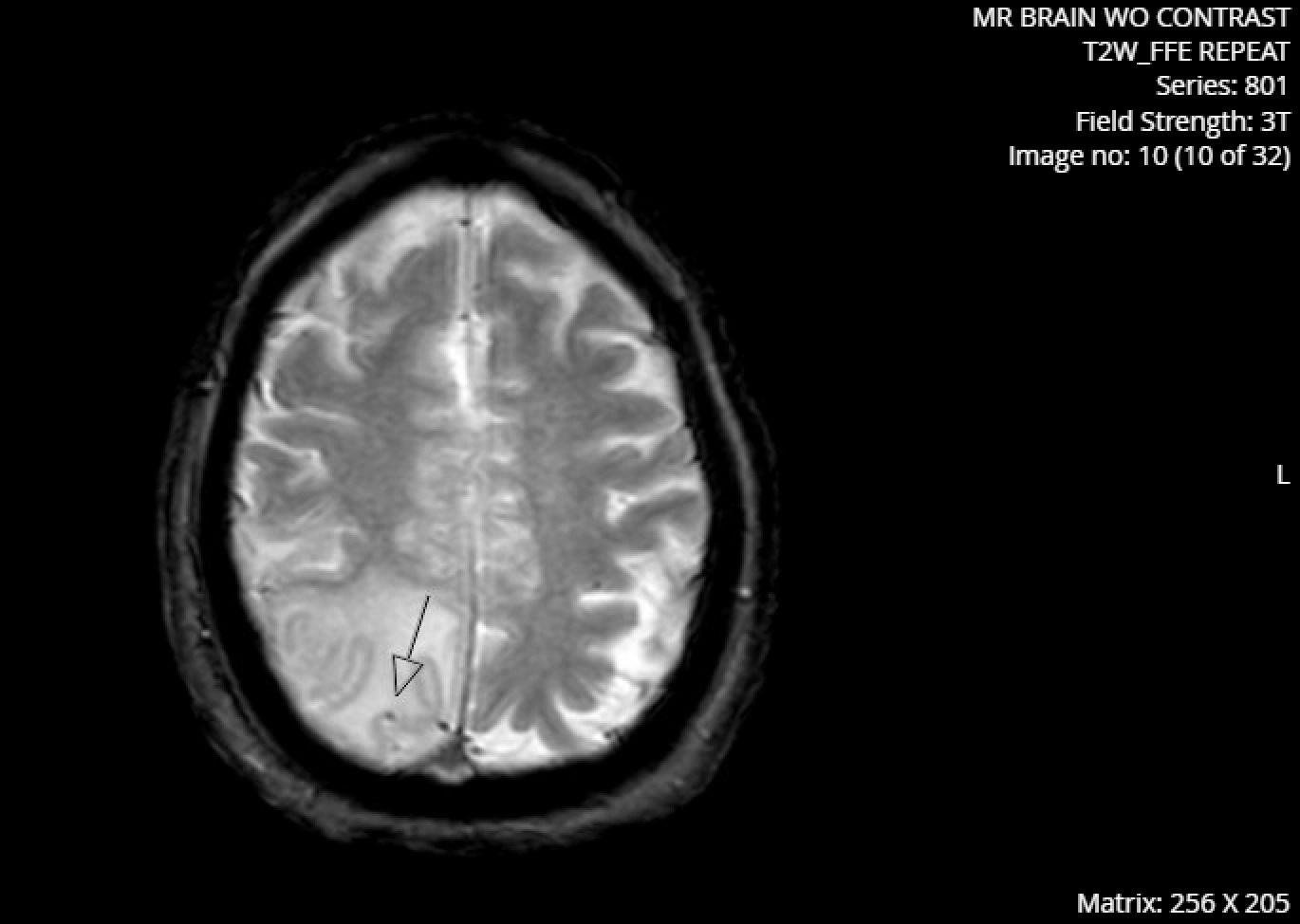
ARIA. T2 Flair Axial 2
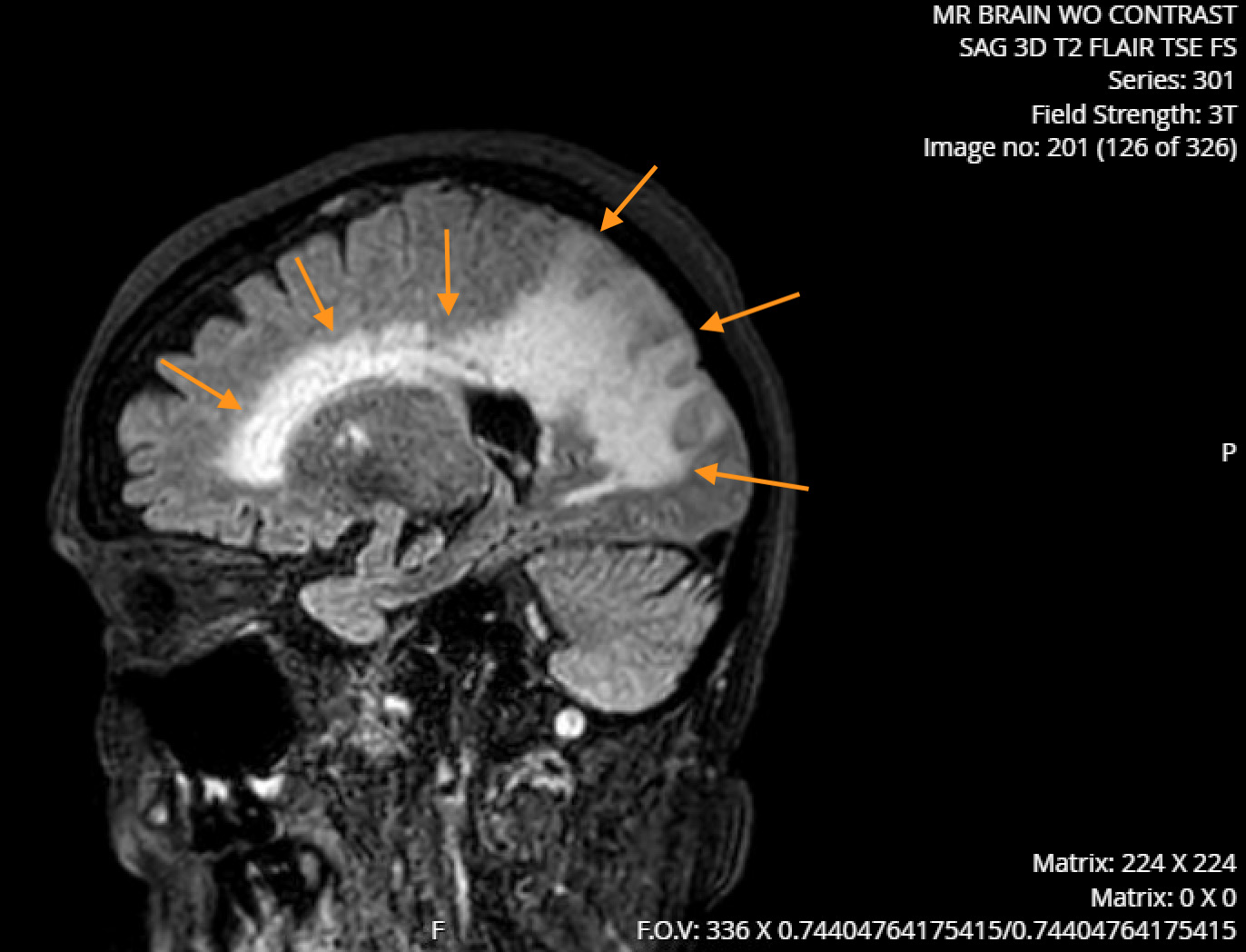
ARIA. T2 Flair Sagittal Annotated. JETem 2026
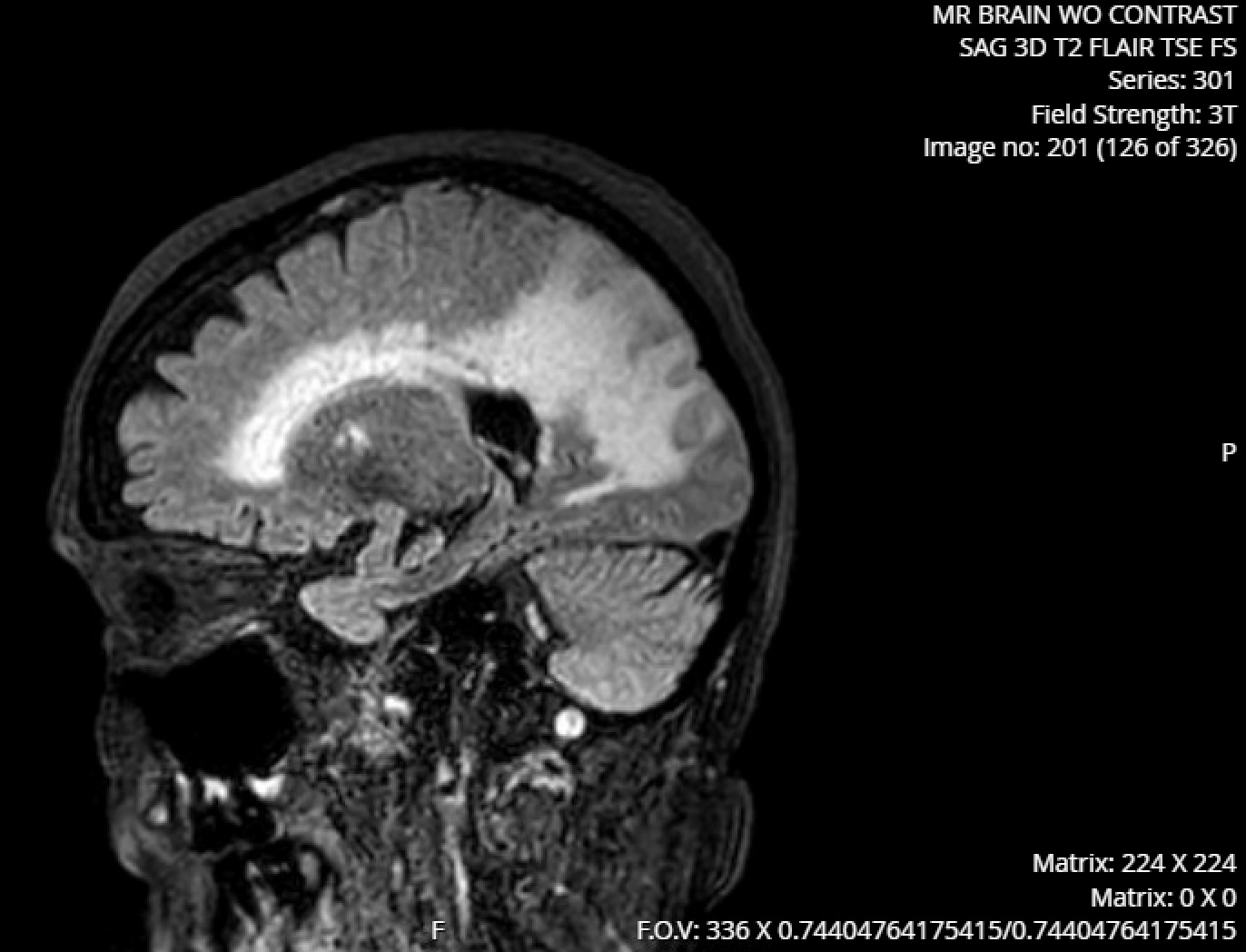
ARIA. T2 Flair Sagittal. JETem 2026

ABSTRACT:

Anti-amyloid beta (Aß) immunotherapies are an emerging treatment for Alzheimer’s disease (AD) with a rare but significant risk of amyloid-related imaging abnormalities (ARIA). This visual case report describes a patient with lecanemab-induced ARIA to familiarize emergency providers with this critical adverse effect of novel anti-amyloid therapies.

An 85-year-old female receiving lecanemab infusions presented to the emergency department (ED) with abruptly worsening confusion, an unsteady gait, and new left-sided deficits, including homonymous hemianopia and hemineglect. A non-contrast head computed tomography (CT) revealed extensive right parieto-occipital vasogenic edema, prompting magnetic resonance imaging (MRI), which confirmed extensive ARIA with edema (ARIA-E) on fluid-attenuated inversion recovery (FLAIR) sequences and microhemorrhages (ARIA-H) on T2-weighted sequences. Lecanemab was discontinued, and the patient experienced partial neurologic recovery after a four-day admission. However, she was discharged with persistent functional limitations, including an inability to drive and a need for caregiver assistance.

This case underscores the need for emergency physicians to maintain a high index of suspicion for ARIA in patients on anti-Aß immunotherapies who present with new neurologic symptoms. Definitive diagnosis requires MRI, and management warrants prompt neurologic consultation.

Topics: Alzheimer’s, dementia, neurology, medication adverse effects, ARIA.

Icon

ARIA - Manuscript

1 file(s) 1.51 MB
Download
Icon

ARIA - Images

1 file(s) 1.68 MB
Download
CTIssue 11:4MRI

Reviews:

[mrp_rating_entry_details_list layout="inline" show_rating_items="false"][mrp_rating_form]
Expanding Neck Mass. CT Coronal Unannotated. JETem 2026

A Rapidly Expanding Neck Mass with Risk of Airway...

31 Oct, 26

Simulation-Based Interprofessional Didactic for...

31 Oct, 26

JETem is an online, open access, peer-reviewed, journal-repository for EM educators. We are PMC Indexed.

Most Viewed

  • A Low-Cost Rectal Foreign Body Removal Simulator
  • Priapism got you down? A novel method to build your own moderate fidelity task trainer
  • Cadaveric Model of Pneumothorax (the GASP model): A Realistic, Reusable and Cost-Effective Simulator for Chest Drainage Training
  • Clinical Decision Making: Sickle Cell Crisis with Acute Chest Syndrome
  • Physical Wellbeing Scavenger Hunt

Visit Our Collaborators


Creative Commons Licence
This work is licensed under a Creative Commons Attribution 4.0 International License.

About

Education

Learners should benefit from active learning. JETem accepts submissions of team-based learning, small group learning, simulation, podcasts, lectures, innovations, curricula, question sets, and visualEM.

Scholarship

We believe educators should advance through the scholarship of their educational work. JETem gives educators the opportunity to publish scholarly academic work so that it may be widely distributed, thereby increasing the significance of their results.

Links

  • Home
  • Aim and Scope
  • Current Issue
  • For Reviewers
  • Instructions for Authors
  • Contact Us

Newsletter

Sign up to receive updates from JETem regarding newly published issues and findings.

Copyright Creative Commons Attribution 4.0 International