
Latest Articles
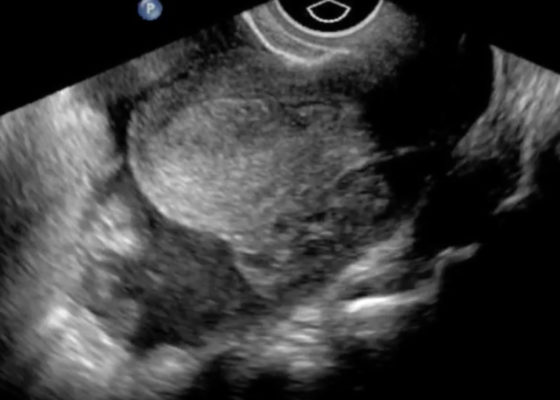

Ruptured Ectopic Pregnancy
DOI: https://doi.org/10.21980/J8SG6TThe patient’s serum beta-hCG was 5,637 mIU/mL. The transvaginal ultrasound showed an empty uterus with free fluid posteriorly in the pelvis and Pouch of Douglas (00:00). A 4.5 cm heterogeneous mass was visible in the left adnexa concerning for an ectopic pregnancy (00:10).
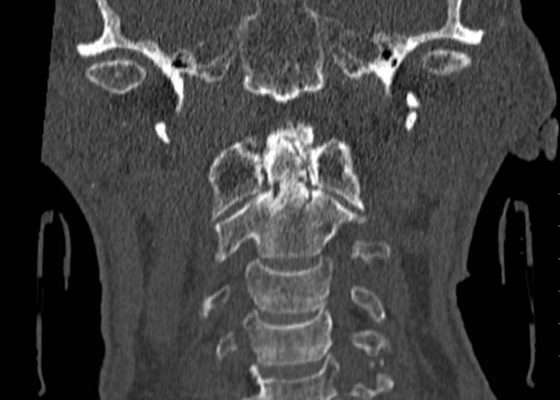
Odontoid Fracture: Computed Tomography
DOI: https://doi.org/10.21980/J8NP4WComputed Tomography (CT) of the cervical spine showed a stable, acute, non-displaced fracture of the odontoid process extending into the body of C2, consistent with a Type III Odontoid Fracture. He was evaluated by orthopedic spine service who recommended conservative, non-operative management.

Open Dislocation of Fifth Digit
DOI: https://doi.org/10.21980/J8J01XPhysical exam revealed an open dislocation of the proximal interphalangeal joint (PIP) of the right fifth digit. X-ray confirmed dislocation and revealed no fractures. The patient received a tetanus booster, Cefazolin, and the dislocation was then washed out and reduced. Multiple reduction attempts were made and were only successful once the metacarpophalangeal joints were held in 90 degree flexion, which relaxed the lateral bands and enabled the finger to be reduced.

Large Right Pleural Effusion
DOI: https://doi.org/10.21980/J8D59FChest x-ray and bedside ultrasound revealed a large right pleural effusion, estimated to be greater than two and a half liters in size.

Morel-Lavallée Lesion
DOI: https://doi.org/10.21980/J88G65On physical examination, the patient was noted to have a nearly “watermelon-sized” fluctuant mass to his right lateral superior quadriceps with multiple overlying abrasions (Image 1). Computed tomography (CT) scans of the area showed a large heterogeneous collection measuring roughly 37x9.5x16 centimeters in the subcutaneous adipose layer of the lateral right thigh (Image 2), while ultrasonography revealed a complex fluid collection containing some nodular solid components and debris (Image 3). Additionally, radiographs confirmed multiple fractures including most significantly a pelvic ring fracture. Surgical debridement, evacuation, and sclerodhesis were performed nine weeks post injury to allow overlying abrasions to heal prior to intervention.
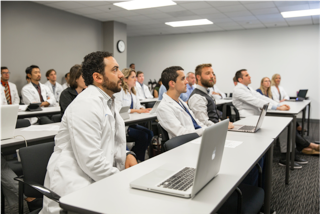


A Faculty Development Session or Resident as Teacher Session for Didactic and Clinical Teaching Techniques; Part 1 of 2: Engaging Learners with Effective Didactic Teaching
DOI: https://doi.org/10.21980/J8RP4TBy the end of this workshop, the learner will: 1) describe eight teaching techniques that encourage active learning during didactic sessions; 2) plan a didactic session using at least one of eight new teaching techniques for didactic instruction
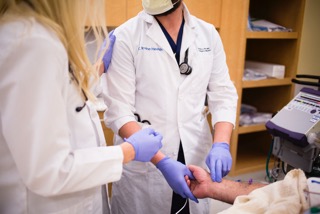
A Faculty Development Session or Resident as Teacher Session for Clinical and Clinical Teaching Techniques; Part 2 of 2: Engaging Learners with Effective Clinical Teaching
DOI: https://doi.org/10.21980/J8MW2WBy the end of this workshop, the learner will: 1) describe and implement nine new clinical teaching techniques; 2) implement clinical teaching techniques specific to junior and senior resident learners.
Emergencies in Hemodialysis Patients
DOI: https://doi.org/10.21980/J81591By the end of this session, the learner will: 1) describe primary dialysis complications; 2) construct a full differential for a dialysis patient presenting with complications; 3) formulate an appropriate treatment and resuscitation in an acutely ill dialysis patient; 4) plan appropriate disposition and utilization of consultants for dialysis complications.

Approach to Acute Headache: A Flipped Classroom Module for Emergency Medicine Trainees
DOI: https://doi.org/10.21980/J8WC73At the end of this module, the learner will be able to: 1) list the diagnoses critical to the emergency physician that may present with headache; 2) identify key historical and examination findings that help differentiate primary (benign) from secondary (serious) causes of headache; 3) discuss the indications for diagnostic imaging, lumbar puncture and laboratory testing in patients with headache; 4) recognize life-threatening diagnoses on CT imaging and CSF examination; 5) describe treatment strategies to relieve headache symptoms.