Hematoma, Hemarthrosis, and Hemotympanum: A Case Report of Acquired Hemophilia A
Correspondence should be addressed to Andrea Wolff, MD at andrea.wolff@commonspirit.org
DOI: https://doi.org/10.5070/M5.52344
ABSTRACT:
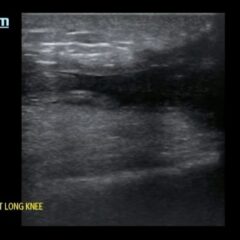
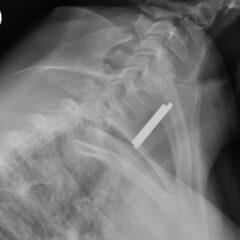
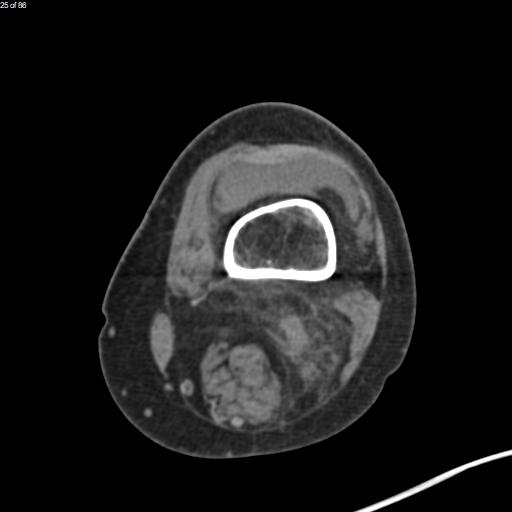
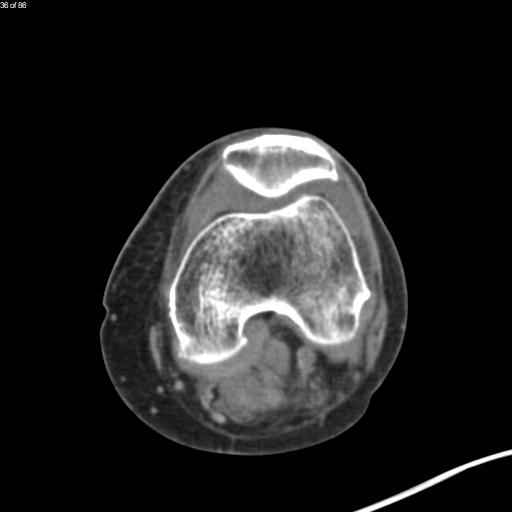
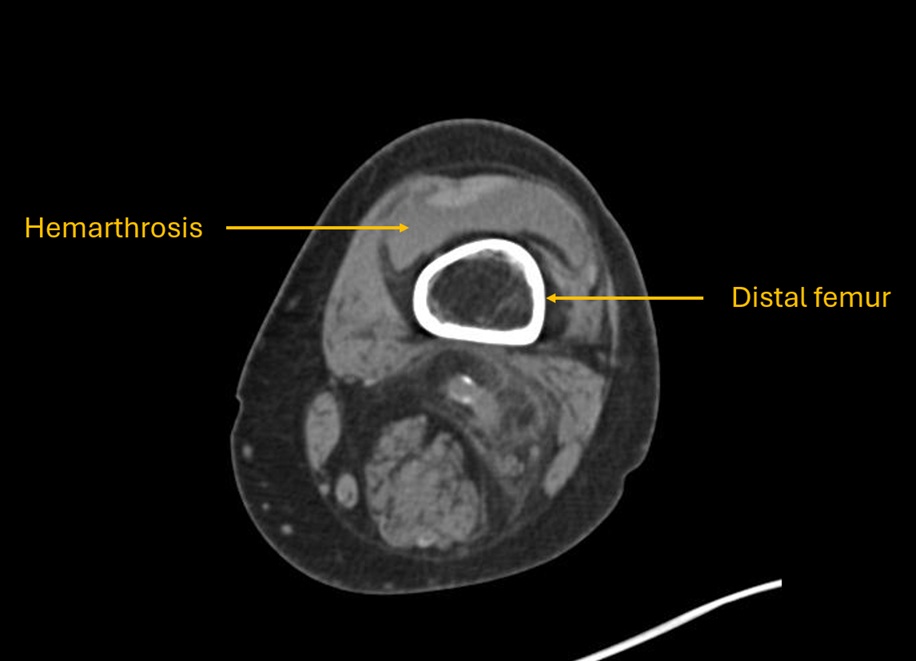
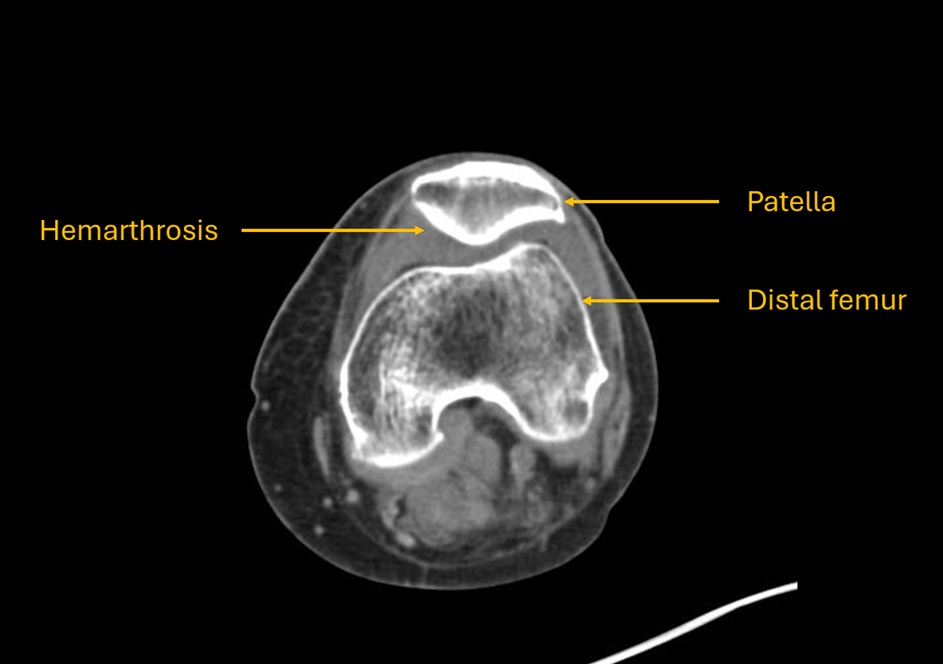
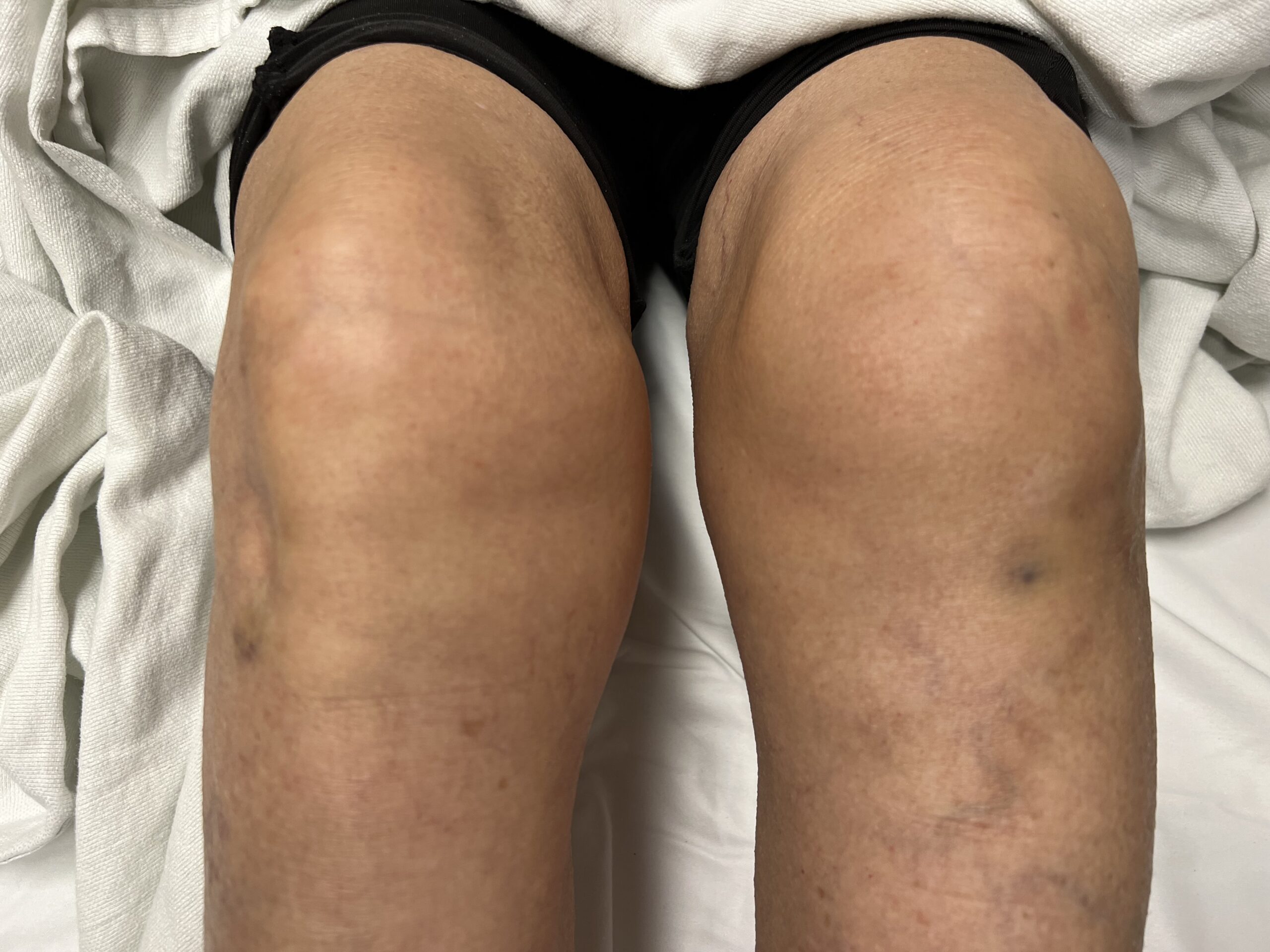
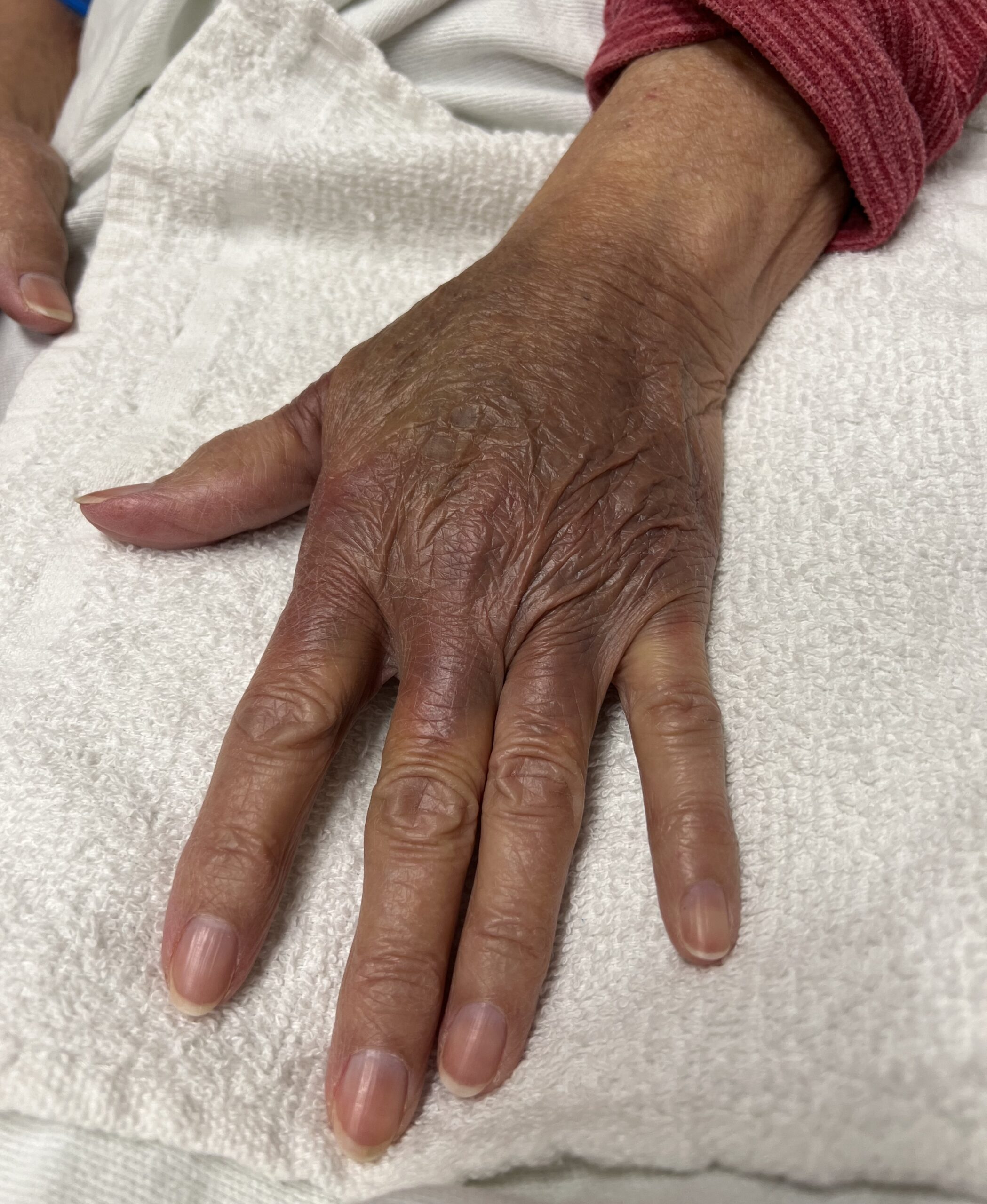
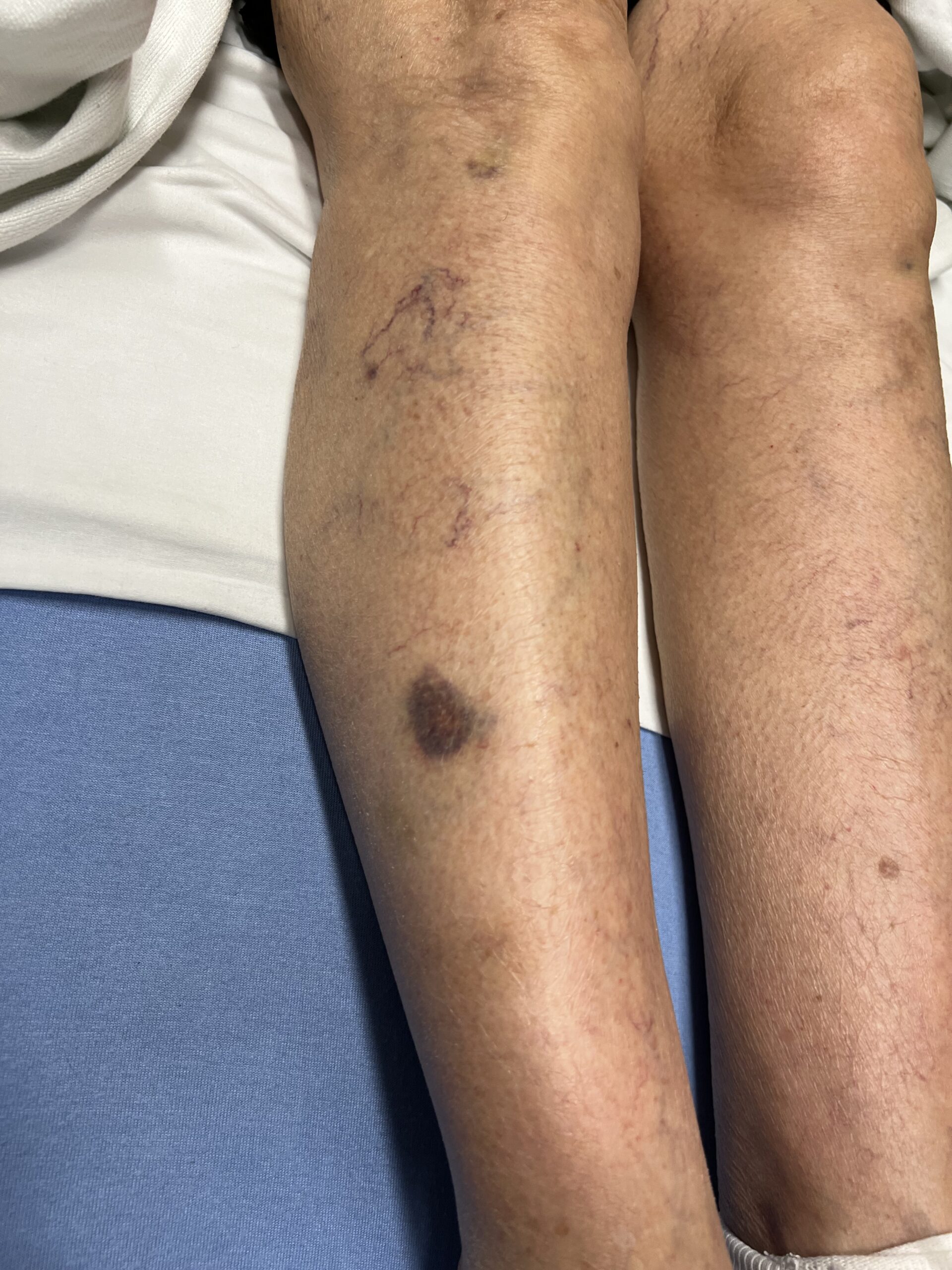
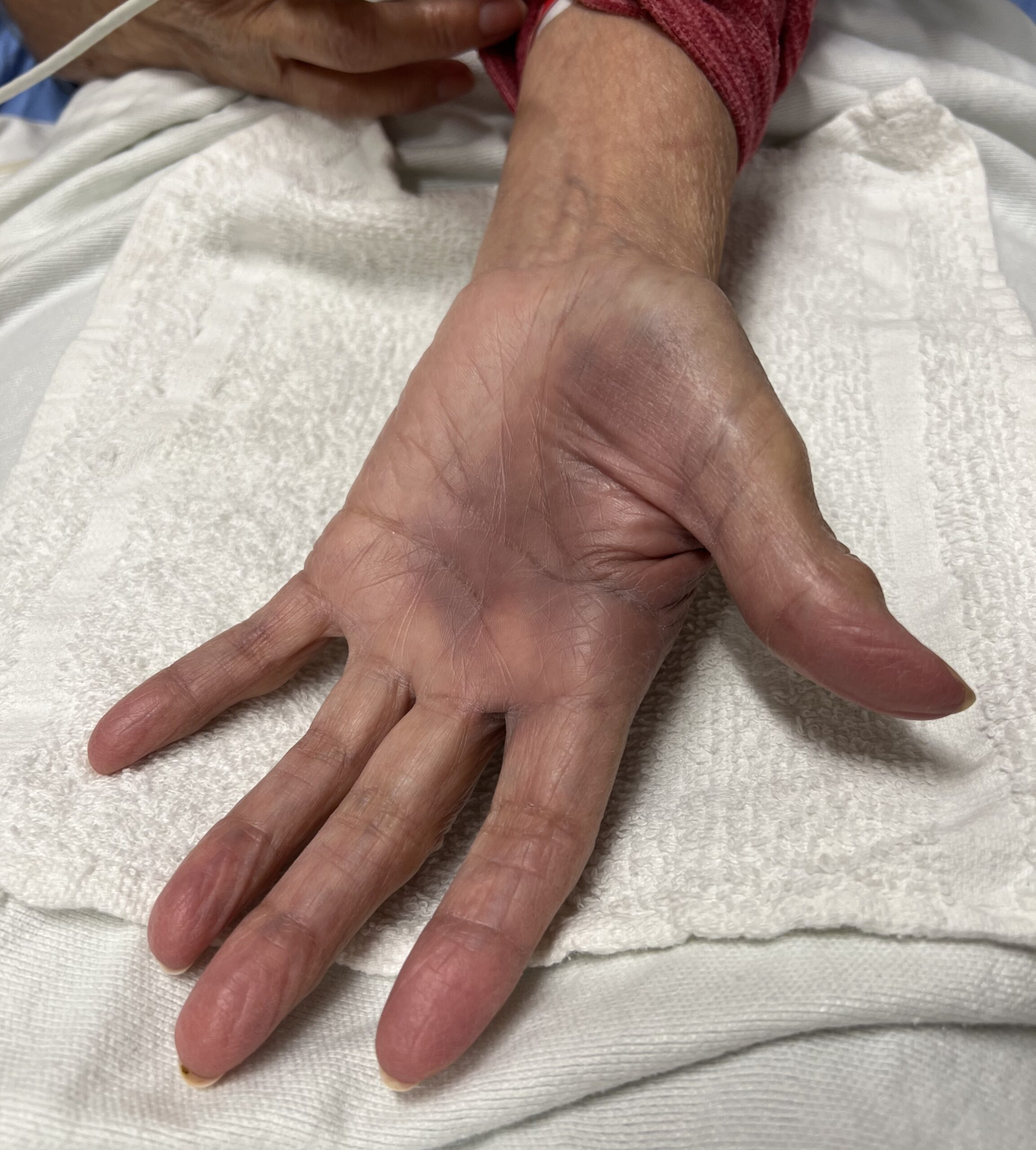
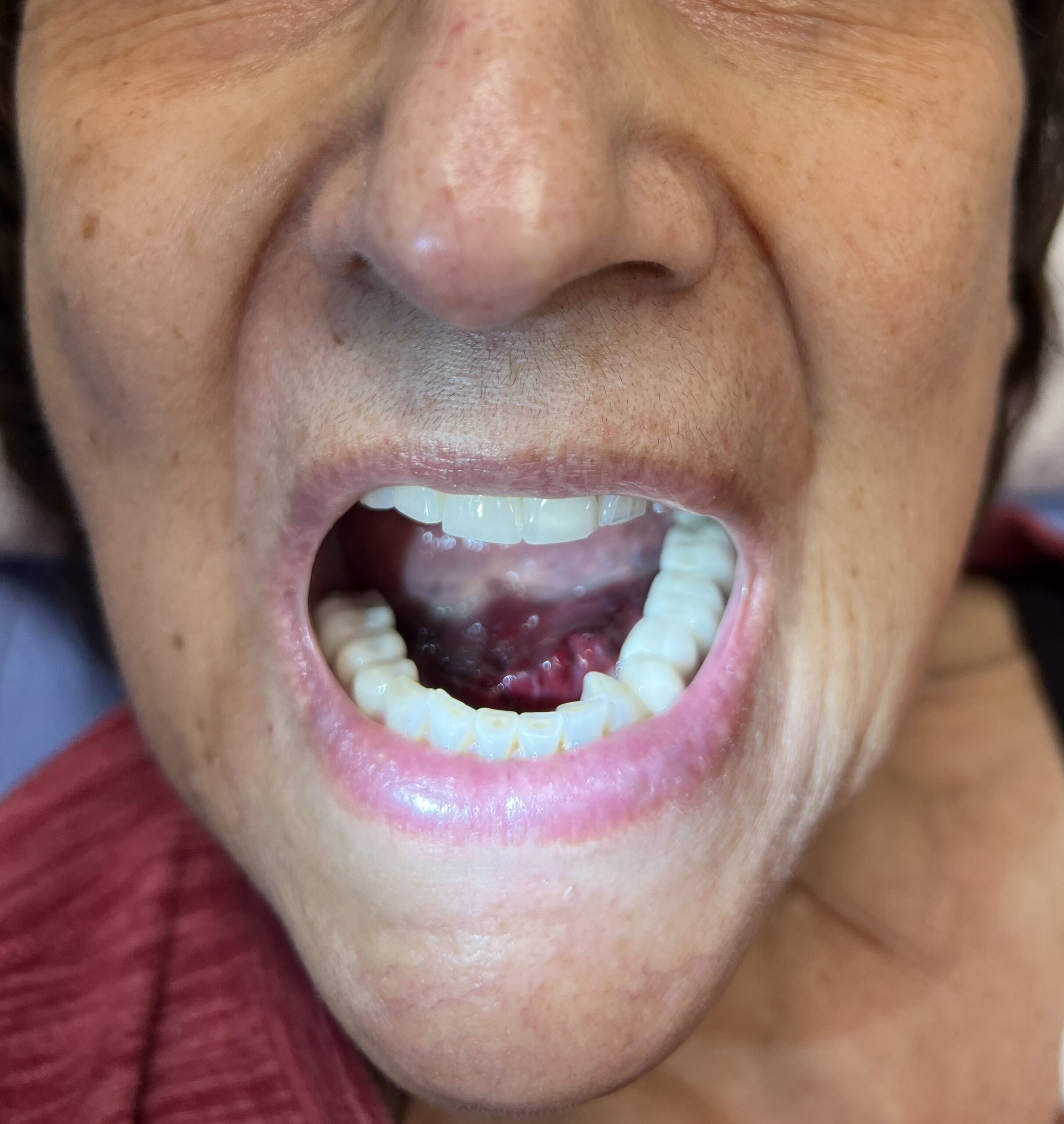
A 75-year-old female with no prior history of bleeding disorders presented to the emergency department with spontaneous sublingual hematoma, hemarthrosis, hemotympanum, and cutaneous ecchymoses. She denied anticoagulant use, recent trauma, or underlying systemic disease. Initial laboratory findings revealed an isolated prolonged activated partial thromboplastin time (aPTT) that failed to correct with mixing studies. Factor VIII activity was markedly reduced, and the presence of factor VIII inhibitors was confirmed, leading to a diagnosis of acquired hemophilia A (AHA). Management included recombinant activated factor VII (rFVIIa) for hemostatic control, corticosteroids for immunosuppression, and weekly rituximab for inhibitor eradication. During her hospital course, serial monitoring demonstrated a decreasing inhibitor titer and improving coagulation profile. She was discharged and completed four weeks of rituximab and a steroid taper, with complete normalization of coagulation profile and inhibitor eradication within four weeks. This case underscores the importance of recognizing AHA in patients with unexplained bleeding and prolonged aPTT. Prompt diagnosis and targeted therapy are critical in reducing morbidity and mortality associated with this rare but potentially life-threatening disorder.1,2
Topics: Acquired hemophilia A, spontaneous bleeding, factor VIII inhibitors, prolonged aPTT, Bethesda assay, recombinant activated factor VII (rFVIIa), immunosuppressive therapy.