JETem
  • Home
  • About
    • Aim and Scope
    • Our Team
    • Editorial Board
    • FAQ
  • Issues
    • Current Issue
    • Ahead of Print
    • Past Issues
  • Visual EM
    • Latest Visual EM
    • Search Visual EM
    • Thumbnail Library
  • For Authors
    • Instructions for Authors
    • Submit to JETem
    • Photo Consent
    • Policies
      • Peer Review Policy
      • Copyright Policy
      • Editorial Policy, Ethics and Responsibilities
      • Conflicts of Interest & Informed Consent
      • Open Access Policy
      • Acceptance Fee
  • For Reviewers
    • Instructions for JETem Reviewers
    • Interested in Being a JETem Reviewer?
  • Topic
    • Abdominal/Gastroenterology
    • Administration
    • Board Review
    • Cardiology/Vascular
    • Certifying Exam Cases
      • Clinical Decision-Making
      • Prioritization
      • Communication
      • Procedure & Ultrasound
    • Clinical Informatics, Telehealth and Technology
    • Dermatology
    • EMS
    • Endocrine
    • ENT
    • Faculty Development
    • Genitourinary
    • Geriatrics
    • Hematology/Oncology
    • Infectious Disease
    • Miscellaneous (stats, etc)
    • Neurology
    • Ob/Gyn
    • Ophthalmology
    • Orthopedics
    • Pediatrics
    • Pharmacology
    • Procedures
    • Psychiatry
    • Renal/Electrolytes/Nutrition
    • Respiratory
    • Social Determinants of Health
    • Toxicology
    • Trauma
    • Ultrasound
    • Urology
    • Wellness
    • Wilderness
  • Modality
    • Certifying Exam Practice Cases
      • Clinical Care Cases
      • Communication & Procedural Cases
      • Old School Oral Board Cases
    • Curricula
    • Innovations
    • Lectures
    • Podcasts
    • Simulation
    • Small Group Learning
    • Team Based Learning (TBL)
    • Visual EM
  • Contact Us

Point-of-Care Ultrasound Findings of Ovarian Hyperstimulation Syndrome: A Case Report

Terra Thimm, MD*, Roger Tillotson, MD*, Joseph Minardi, MD* and Anthony Steratore, MD*

*West Virginia University School of Medicine, Department of Emergency Medicine, Morgantown, WV
*David and JoAnn Shaw Center for Simulation Training and Education for Patient Safety, West Virginia University, Morgantown, WV

Correspondence should be addressed to Anthony Steratore, MD at afsteratore@hsc.wvu.edu

DOI: https://doi.org/10.5070/M5.52324Issue 11:4
Visual EMCurrent IssueOb/Gyn
[mrp_rating_result]
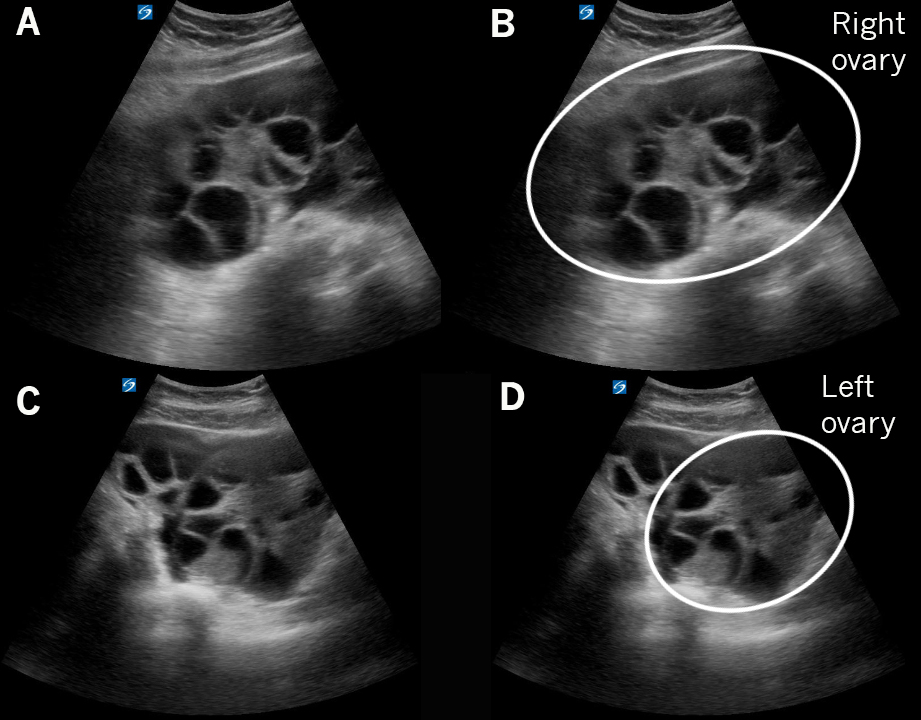
Ovarian Hyperstimulation Syndrome. Ovary Annotated. JETem 2026
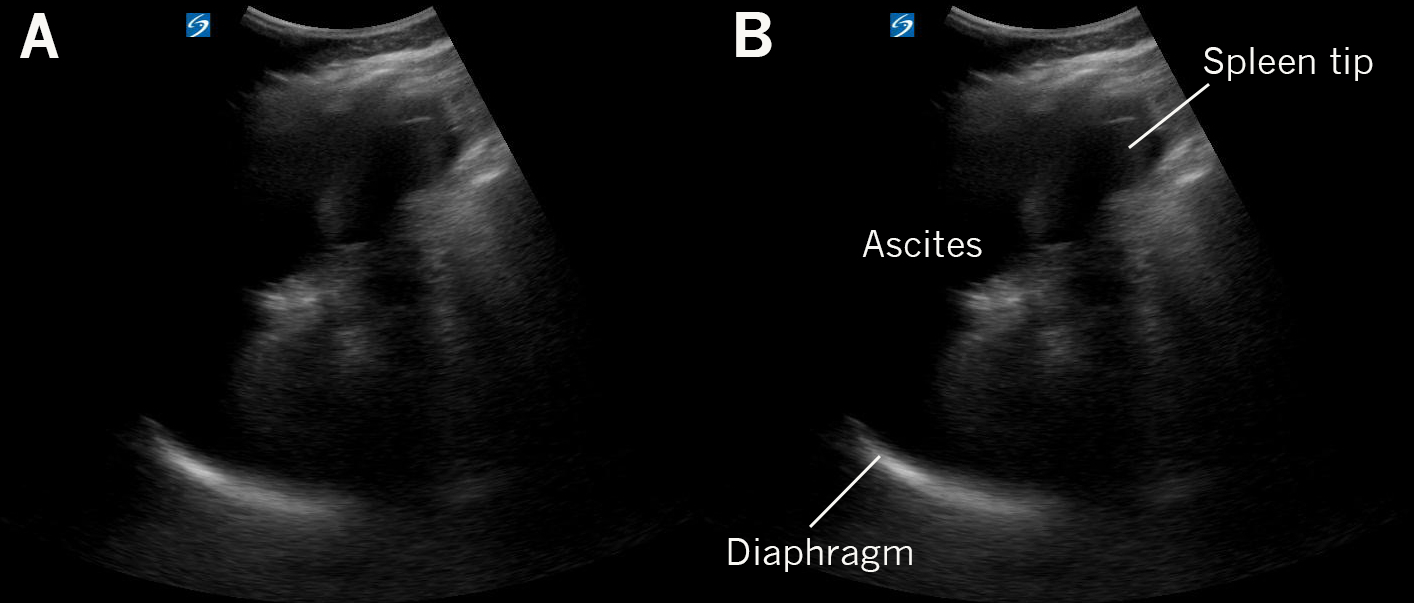
Ovarian Hyperstimulation Syndrome. Splenorenal Recess US. JETem 2026
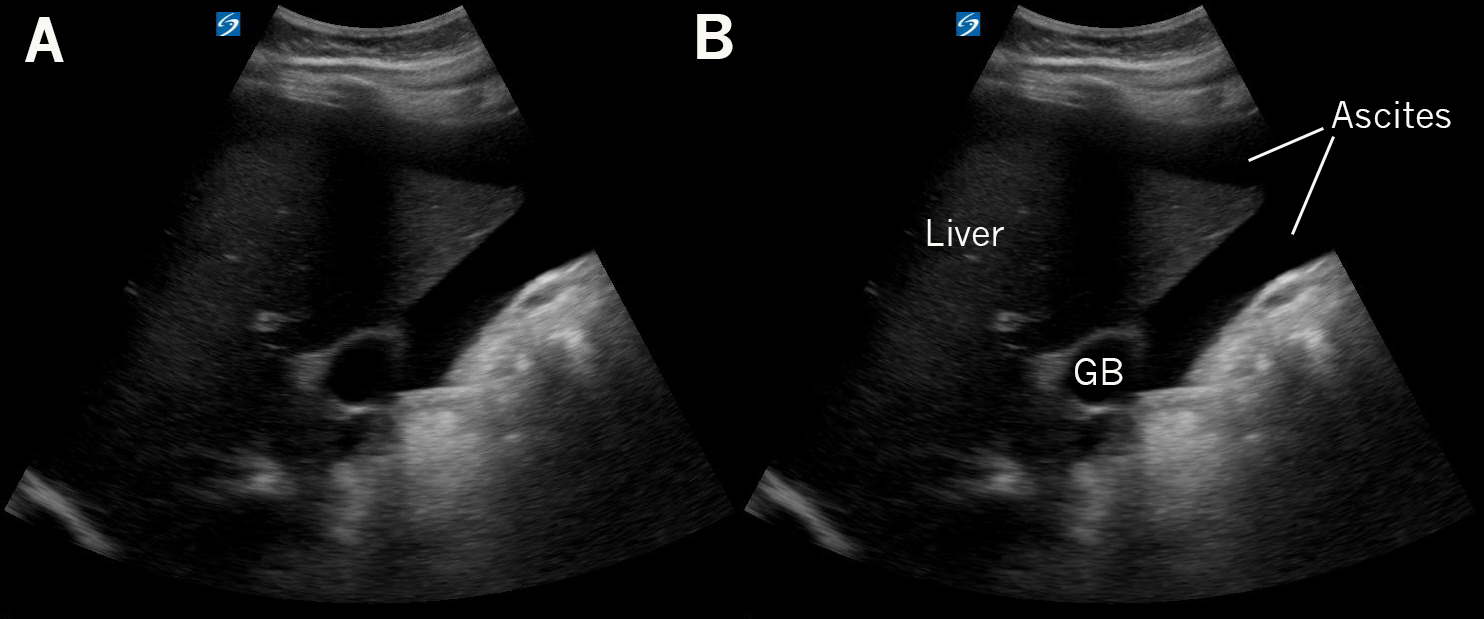
Ovarian Hyperstimulation Syndrome. Morisons Pouch Annotated. JETem 2026

ABSTRACT:

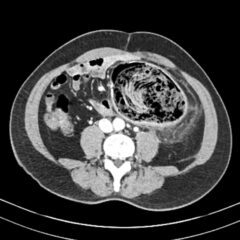
Ovarian hyperstimulation syndrome (OHSS) is a rare but potentially life-threatening complication of assisted reproductive technology (ART). Prompt recognition and management are essential to reduce morbidity.1 This case describes a 30-year-old woman undergoing ART who presented to the emergency department (ED) with abdominal pain, distention, lightheadedness, nausea, vomiting, and shortness of breath following transvaginal oocyte retrieval. Physical examination revealed a tense, diffusely tender abdomen, and point-of-care ultrasound (POCUS) demonstrated enlarged ovaries bilaterally with multiple follicles and moderate peritoneal free fluid, confirming the diagnosis of OHSS. Laboratory findings included leukocytosis, hemoconcentration, and hypoproteinemia. The patient received supportive care with intravenous fluids and analgesia and, during admission, underwent therapeutic paracentesis, resulting in the removal of roughly three liters of ascitic fluid. Her symptoms resolved, and she was discharged on hospital day three with complete recovery noted at follow-up. This case highlights the diagnostic value of POCUS in the emergency setting for early identification of OHSS. As the use of ART increases, emergency clinicians should be aware of OHSS presentations and consider bedside ultrasound as a key diagnostic tool to expedite care and improve outcomes.

Topics: Assisted reproductive technology, point of care ultrasound, ovarian hyperstimulation syndrome.

Icon

Ovarian Hyperstimulation Syndrome - Manuscript

1 file(s) 1.46 MB
Download
Icon

Ovarian Hyperstimulation Syndrome - Images

1 file(s) 13.39 MB
Download
Issue 11:4Ultrasound

Reviews:

[mrp_rating_entry_details_list layout="inline" show_rating_items="false"][mrp_rating_form]
Chorionic Hemangiomas in Sturge Weber Syndrome. Ultrasound. JETem 2026

Case Report: Sonographic Detection of Chorionic...

31 Oct, 26
Bezoar Formation Large Bowel Obstruction. CT Axial Unannotated. JETem 2026

Case Report: Atypical Presentation of Large Bowel...

31 Oct, 26

JETem is an online, open access, peer-reviewed, journal-repository for EM educators. We are PMC Indexed.

Most Viewed

  • A Low-Cost Rectal Foreign Body Removal Simulator
  • Priapism got you down? A novel method to build your own moderate fidelity task trainer
  • Cadaveric Model of Pneumothorax (the GASP model): A Realistic, Reusable and Cost-Effective Simulator for Chest Drainage Training
  • Clinical Decision Making: Sickle Cell Crisis with Acute Chest Syndrome
  • Physical Wellbeing Scavenger Hunt

Visit Our Collaborators


Creative Commons Licence
This work is licensed under a Creative Commons Attribution 4.0 International License.

About

Education

Learners should benefit from active learning. JETem accepts submissions of team-based learning, small group learning, simulation, podcasts, lectures, innovations, curricula, question sets, and visualEM.

Scholarship

We believe educators should advance through the scholarship of their educational work. JETem gives educators the opportunity to publish scholarly academic work so that it may be widely distributed, thereby increasing the significance of their results.

Links

  • Home
  • Aim and Scope
  • Current Issue
  • For Reviewers
  • Instructions for Authors
  • Contact Us

Newsletter

Sign up to receive updates from JETem regarding newly published issues and findings.

Copyright Creative Commons Attribution 4.0 International