JETem
  • Home
  • About
    • Aim and Scope
    • Our Team
    • Editorial Board
    • FAQ
  • Issues
    • Current Issue
    • Ahead of Print
    • Past Issues
  • Visual EM
    • Latest Visual EM
    • Search Visual EM
    • Thumbnail Library
  • For Authors
    • Instructions for Authors
    • Submit to JETem
    • Photo Consent
    • Policies
      • Peer Review Policy
      • Copyright Policy
      • Editorial Policy, Ethics and Responsibilities
      • Conflicts of Interest & Informed Consent
      • Open Access Policy
  • For Reviewers
    • Instructions for JETem Reviewers
    • Interested in Being a JETem Reviewer?
  • Topic
    • Abdominal/Gastroenterology
    • Administration
    • Board Review
    • Cardiology/Vascular
    • Certifying Exam Cases
      • Clinical Decision-Making
      • Prioritization
      • Communication
      • Procedure & Ultrasound
    • Clinical Informatics, Telehealth and Technology
    • Dermatology
    • EMS
    • Endocrine
    • ENT
    • Faculty Development
    • Genitourinary
    • Geriatrics
    • Hematology/Oncology
    • Infectious Disease
    • Miscellaneous (stats, etc)
    • Neurology
    • Ob/Gyn
    • Ophthalmology
    • Orthopedics
    • Pediatrics
    • Pharmacology
    • Procedures
    • Psychiatry
    • Renal/Electrolytes
    • Respiratory
    • Social Determinants of Health
    • Toxicology
    • Trauma
    • Ultrasound
    • Urology
    • Wellness
    • Wilderness
  • Modality
    • Certifying Exam Practice Cases
      • Clinical Care Cases
      • Communication & Procedural Cases
      • Old School Oral Board Cases
    • Curricula
    • Innovations
    • Lectures
    • Podcasts
    • Simulation
    • Small Group Learning
    • Team Based Learning (TBL)
    • Visual EM
  • Contact Us
  • Question Bank

A Case Report of Carotid Cavernous Fistula: A Commonly Missed Diagnosis

Rosalind Wu Ma, MD* and Dustin Harris, MD*

*University of Texas at Southwestern, Department of Emergency Medicine, Dallas, Tx

Correspondence should be addressed to Rosalind Wu Ma, MD at rosalind.ma@utsouthewestern.edu  

DOI: https://doi.org/10.5070/M5.52242Issue 11:1
Visual EMCurrent IssueOphthalmologyProcedures
[mrp_rating_result]
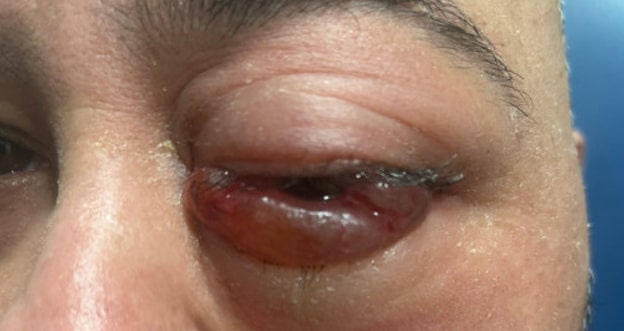
Carotid Cavernous Fistula Photograph. JETem 2026
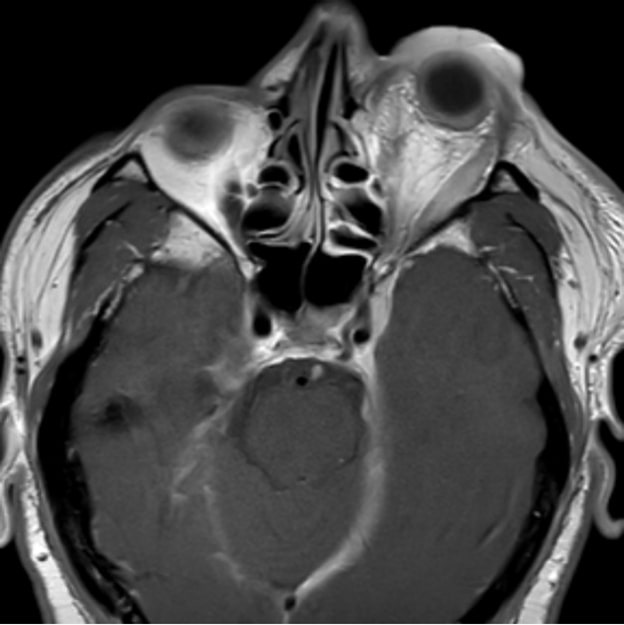
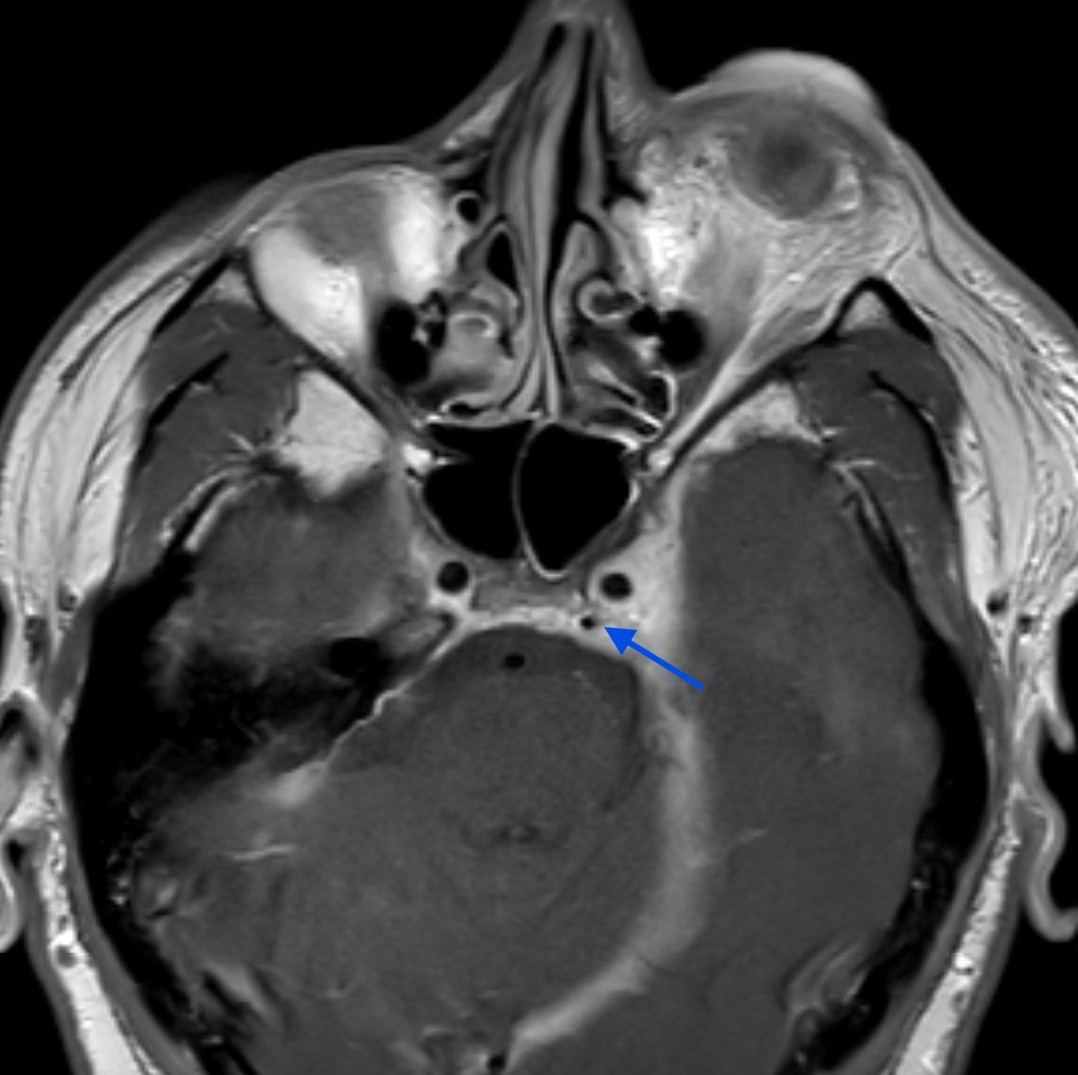
Carotid Cavernous Fistula MRI 1. JETem 2026
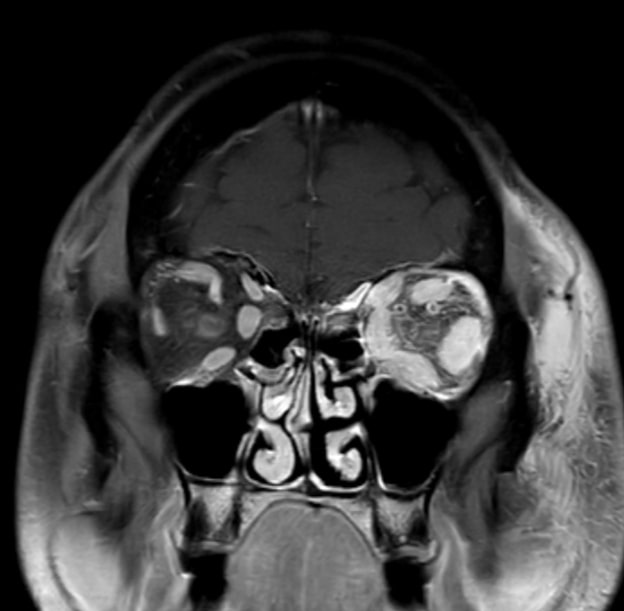
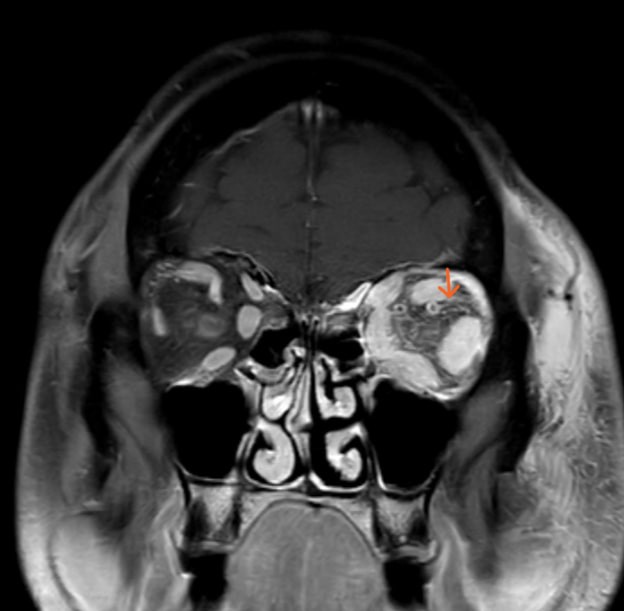
Carotid Cavernous Fistula MRI 2. JETem 2026
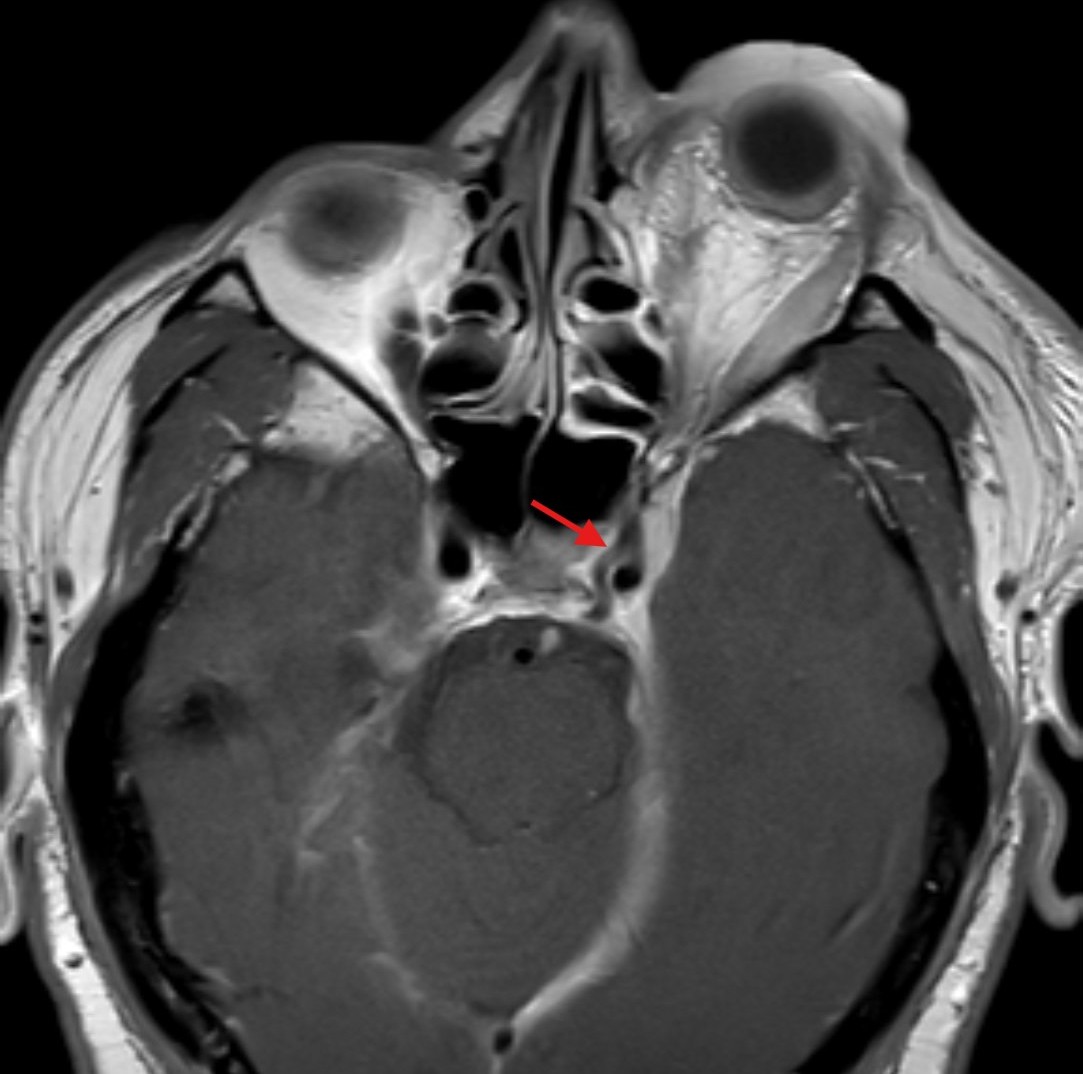
Carotid Cavernous Fistula MRI 1 annotated red arrow. JETem 2026
Carotid Cavernous Fistula MRI 1 annotated blue arrow. JETem 2026
Carotid Cavernous Fistula MRI 2 annotated. JETem 2026

ABSTRACT:

Orbital compartment syndrome (OCS) is an ophthalmologic emergency due to an acute rise in intra-orbital pressure and can result in permanent vision loss, oftentimes requiring emergent surgical decompression. Orbital compartment syndrome most commonly occurs due to recent trauma and is often easily diagnosed by history and physical exam. However, there are other causes of OCS where a more subacute/chronic rise in pressure can lead to an atypical presentation. This is a case report of a 48-year-old male who presented with left eye pain and swelling for the past 6 months. The patient had seen two ophthalmologists prior to his emergency department (ED) presentation who had prescribed him an antibiotic ointment, oral steroids, and steroid eye drops. The physical exam in the ED was concerning for increased intra-ocular pressure (IOP) and decreased vision. Ophthalmology was consulted and requested magnetic resonance angiography (MRA) to assess a vascular etiology given tortuous retinal vasculature. Emergent surgical decompression was deferred due to chronicity of symptoms, and patient was started on dorzolamide/timolol and brimonidine eye drops as well as intravenous (IV) acetazolamide with subsequent improvement in IOP. Imaging revealed a left carotid-cavernous sinus fistula (CCF), and the patient was admitted to neurosurgery. Patient successfully had an embolization with subsequent normalization of IOP and improvement of symptoms. This case is a good example of how non-traumatic causes of OCS can lead to misdiagnosis and how surgical decompression could potentially be deferred in subacute OCS.

Topics: Ocular compartment syndrome, carotid cavernous fistula, eye pain, eye swelling, vision loss.

Icon

Carotid Cavernous Fistula - Manuscript

1 file(s) 989.51 KB
Download
Icon

Carotid Cavernous Fistula - Images

1 file(s) 414.01 KB
Download
Issue 11:1

Reviews:

[mrp_rating_entry_details_list layout="inline" show_rating_items="false"][mrp_rating_form]

Simulation-Based Preparation for the American...

31 Jan, 26
Edema Bulla. Photo 1. JETem 2026

Effects of Volume Overload: A Case Report of an...

31 Jan, 26

JETem is an online, open access, peer-reviewed, journal-repository for EM educators. We are PMC Indexed.

Most Viewed

  • Enhancing Emergency Medicine Resident Education: A Weekly Education Series to Augment Electrocardiogram Education
  • Development and Design of a Pediatric Case-Based Virtual Escape Room on Acute Iron Toxicity
  • Pre-Clinical Case Competition to Assess Confidence in Responding to Select Out-Of-Hospital Medical Emergencies
  • Pediatric Difficult Airway Simulation Day
  • Cards Against Pulmonology

Visit Our Collaborators


Creative Commons Licence
This work is licensed under a Creative Commons Attribution 4.0 International License.

About

Education

Learners should benefit from active learning. JETem accepts submissions of team-based learning, small group learning, simulation, podcasts, lectures, innovations, curricula, question sets, and visualEM.

Scholarship

We believe educators should advance through the scholarship of their educational work. JETem gives educators the opportunity to publish scholarly academic work so that it may be widely distributed, thereby increasing the significance of their results.

Links

  • Home
  • Aim and Scope
  • Current Issue
  • For Reviewers
  • Instructions for Authors
  • Contact Us

Newsletter

Sign up to receive updates from JETem regarding newly published issues and findings.

Copyright Creative Commons Attribution 4.0 International